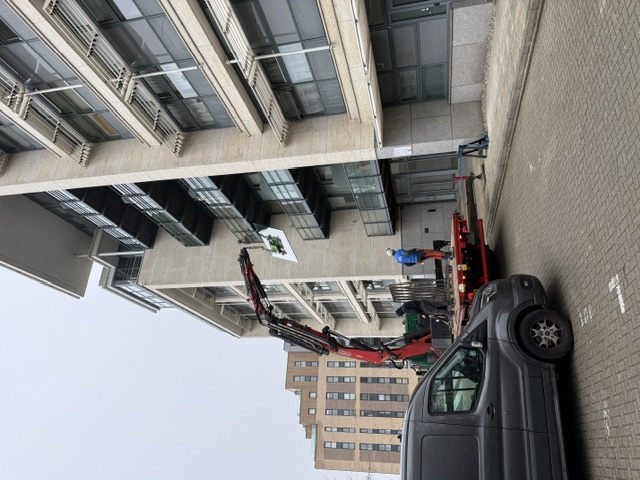

In London, you protect your property far better when you treat intruder resistant glazing as a certified security system, not just “stronger glass.” You’ll use laminated security glass (often EN 356 P4A–P6B) with reinforced frames, multi‑point locks and correctly anchored security film, all tested as an integrated unit to standards like BS EN 356, PAS 24 and LPS 1175. You’ll also see how this reduces real‑world break‑ins, risk and insurance costs.
Key insights
- Intruder resistant glazing in London uses laminated security glass, reinforced frames, and high-security locks tested to BS EN 356, PAS 24, and similar standards.
- Properly specified systems delay forced entry from tools and impact attacks, protecting homes, shops, and offices from organised burglary and smash-and-grab incidents.
- Certified glazing often reduces insurance premiums and claim frequency, giving payback over 5–10 years, especially in higher-risk London postcodes.
- Upgrades can use security window films and edge-retention systems to strengthen existing glazing without a full window replacement.
- Choose installers with PAS 24 / EN 356 tested products and memberships like FENSA or CERTASS, providing full documentation and real incident references.
Why London Properties Need Intruder Resistant Glazing
Although London benefits from extensive policing and CCTV coverage , its properties remain exposed to targeted break-ins, tool-assisted attacks, and opportunistic burglary attempts that standard glass simply can’t withstand. You face evolving threats: organised crews, rapid entry methods, and offenders exploiting unreinforced glazing on street-facing windows, balcony doors, and commercial frontages.
You need intruder resistant glazing to raise attack resistance , delay entry, and align with British and European security standards typically referenced in insurance and risk assessments. It lets you integrate security without compromising façade design, daylighting, or brand presentation. With advanced interlayers, you can pair physical protection with window tinting for solar control and privacy, and decorative etching for wayfinding or branding, achieving a high-performance, security-led envelope that still communicates innovation.
How Intruder Resistant Glazing Works
You strengthen intruder resistance by combining laminated glass construction , certified multi-layer security films, and reinforced frames and locking hardware that work as a single tested system. Instead of relying on glass thickness alone, you use interlayers and films engineered to hold broken shards in place and delay forced entry in accordance with relevant impact and manual attack standards. You then specify frames, fixings, and locks that are rated to the same security class, so attackers can’t simply bypass the glazing through weaker perimeter components.
Laminated Glass Construction
How does laminated glass turn a seemingly fragile surface into a robust intruder barrier? You specify Laminated glass as multiple panes bonded with interlayers, typically PVB, ionoplast, or EVA, engineered to maintain glass durability even after fracture. When impacted, the glass cracks but remains coherently anchored to the interlayer, creating a resistant membrane that delays forced entry and controls shard dispersion.
You optimise performance by matching interlayer thickness and stiffness to the quantified threat level, referencing standards such as EN 356 for manual attack and EN 1063 where ballistic resistance is relevant. You also consider edge detailing, frame compatibility, and sealant selection to avoid weak points. This systems-based approach ensures your laminated glazing performs predictably under concentrated, repetitive attack.
Multi-Layer Security Films
Beyond laminated glass construction, multi-layer security films provide a way to upgrade existing glazing into a more intrusion-resistant system without full glass replacement. You apply optically clear , tear-resistant polyester or polycarbonate layers, bonded with high-adhesion pressure-sensitive or structural silicone adhesives, so the glass retains fragments and resists forced-entry impacts.
You should specify films tested to BS EN 356 (P1A–P5A) or equivalent, and guarantee edge anchoring systems are engineered to transfer loads back to the surrounding substrate. Properly selected films also add UV protection, typically blocking up to 99% of harmful radiation, helping protect interiors and finishes. By reducing solar heat gain and improving insulation performance, they can enhance energy efficiency while maintaining daylight transmission and visual transparency in London façades.
Frame And Lock Reinforcement
While high-spec glass and films form the visible barrier, the real resistance to forced entry depends heavily on the performance of the surrounding frames and locking hardware. You need reinforced aluminium or steel frames, mechanically fixed to the substrate with security-rated anchors , designed to resist levering, prying, and jemmying in accordance with PAS 24 or LPS 1175.
You should specify multi-point locking systems with hardened bolts, anti-snap cylinders , and security escutcheons tested to EN 1627–1630. Glazed beads must be internally fitted and mechanically secured so intruders can’t deglaze from outside, even where you use decorative patterns or bespoke sightlines.
Thermally broken, insulated frames maintain energy efficiency, ensuring added steel reinforcement doesn’t undermine U-values or acoustic performance.
Comparing Glass Types for Intruder Resistant Glazing
Although all security glazing aims to slow or prevent forced entry, different glass types behave very differently under attack, so you need to understand their specific performance characteristics before specifying a system. You’ll compare glass durability, response to impact, and compatibility with advanced installation techniques, then align choices with EN 356 and EN 1063 classifications.
Key options you should evaluate are:
- Tempered glass – strong but shatters; useful only as a sacrificial outer pane.
- Laminated glass – interlayers retain fragments, delivering true delay performance.
- Multi-laminate composites – stacked laminates tuned for tool or ballistic threats.
- Polycarbonate-glass hybrids – high energy absorption, lower weight, but scratch-prone.
You’ll balance threat level, weight, optical quality, and life‑cycle cost when selecting a specification.
Frames, Locks and Security Film for Intruder Resistant Glazing
You can’t achieve genuine intruder resistance in London with glass alone; you must match it with robust, certified frames , high-security locking systems, and correctly specified security window film. In this section, you’ll assess frame materials, fixing methods, and multi-point locks against recognised security standards (such as PAS 24 and, where applicable, LPS 1175) to address real-world attack methods. You’ll also see how properly installed protective film can control glass fragmentation and delay forced entry, especially where you’re upgrading existing windows rather than fully replacing them.
Choosing Robust Window Frames
How do you turn high-spec intruder resistant glazing into a genuinely secure barrier rather than a weak point? You start with frames engineered as part of a tested system, not as an afterthought. You’ll need window frame materials that resist levering, prying, and impact while maintaining tight tolerances around the glass.
Focus on frames that achieve or exceed relevant British and European security standards and integrate cleanly with security film application on the glazed units.
Use these criteria when selecting frames:
- Certified resistance classes (e.g. PAS 24, EN 1627) for proven attack performance.
- Multi-chamber, thermally broken profiles that don’t compromise rigidity.
- Mechanically fixed glazing beads located internally to prevent removal.
- Reinforced corners and anchors tested for sustained, tool-based attack.
High-Security Locking Systems
With the frame specified as a hardened structure rather than a cosmetic surround, the next weak link to address is the locking system tying that frame, sash, and intruder resistant glazing together. You should specify multi-point, key-operated locks tested to at least PAS 24 or LPS 1175, with reinforced keeps and through-bolted fixings into the primary structure.
Prioritise cylinders compliant with TS 007 or SS 312 to resist snapping, drilling, and bumping. Integrate locks with certified access-control security technology so you can monitor status, actuate lockdown modes, and generate audit trails.
Ensure hardware selection supports routine glazing maintenance: cylinders, handles, and gearboxes must be replaceable without degrading resistance ratings. Document installation torque, alignment tolerances, and inspection intervals to preserve performance over the glazing lifecycle.
Protective Security Window Film
Although protective security window film can’t turn standard glass into certified intruder resistant glazing on its own, it plays a critical role in managing blast, impact, and forced-entry risks when integrated with the right frames and locking systems. You’re creating a composite system where frames, fixings, and film perform as a single, engineered barrier.
You should specify film that’s tested to relevant impact and bomb-blast standards and confirm edge-anchoring into reinforced frames so loads transfer cleanly, without premature delamination.
Key considerations include:
- Compliance with EN 356, EN 13541, and documented test reports.
- Edge-retention systems that integrate with your chosen hardware.
- Compatibility with low‑E coatings to preserve energy efficiency.
- Sensor-ready configurations that tie into home automation and remote security monitoring.
UK and London Security Standards You Should Know
Before you specify or upgrade intruder resistant glazing in London, you need to anchor every decision to the relevant UK security standards that determine what’s considered “fit for purpose” under real attack conditions. You’ll reference BS EN 356 for manual attack resistance and BS EN 1063 for bullet resistance, then align these with PAS 24 and LPS 1175, which assess the whole window system, not just the glass.
Within London, you should also align designs with the National Protective Security Authority (NPSA) guidance and local planning constraints, especially where historical architecture and conservation areas restrict visual change. You’ll often need bespoke glass make-ups that maintain daylight transmission, meet U-value and solar control targets, and still satisfy your defined, standards-backed threat profile.
Choosing the Right Security Level and Glazing Rating
When you choose intruder resistant glazing, you need to understand how security ratings classify resistance to forced entry, impact, and tool attacks. You then match these ratings to your specific risk profile, considering factors like asset value, accessibility, threat type, and response times. By aligning glazing performance classes with recognised standards, you guarantee you’re neither under‑protecting critical areas nor over‑specifying and wasting budget.
Understanding Glazing Security Ratings
Because intruder resistant glazing is only as effective as its tested performance, you need to understand how formal security ratings translate into real‑world protection and compliance. You’re not just buying “strong glass”; you’re buying a verified resistance profile based on standardised test regimes .
Focus on how ratings quantify:
- Attack tools, methods, and duration used in testing, which indicate the delay you can realistically expect.
- Glass durability under repeated impact or cutting, including behaviour of laminates and interlayers.
- System performance, where framing, fixings, and installation techniques are tested as an integrated assembly.
- Compliance with BS EN 356, EN 1063, and associated UK guidance, ensuring London inspectors, insurers, and security consultants accept the specified rating without challenge.
Matching Glazing To Risk
Security ratings only add value once you align them with a clear threat profile , so the next step is to match specific glazing classes to the actual risks at your London site. You start by mapping scenarios: opportunistic break‑ins, tool‑assisted attacks, or organised attempts targeting assets or sensitive data.
You then translate each scenario into a required glazing class (e.g. EN 356, EN 1063) and frame type, checking test reports rather than marketing labels. For mixed‑use schemes, you can zone the façade: higher‑rated units at ground level and critical access points, standard safety elsewhere. Throughout, you balance performance with Glass aesthetics and Privacy concerns, using interlayers, tints, and smart films so security upgrades don’t compromise visual identity or user experience.
Best Security Glazing for London Homes
Prioritise laminated security glass tested to BS EN 356 (P4A–P6B for typical homes), integrated into certified security windows to PAS 24 or LPS 1175. Don’t rely on film retrofits where frames, locks, or fixings remain weak.
Key selection criteria:
- Certified impact resistance to BS EN 356, matched to your local threat profile.
- Edge retention systems so the glass stays in the frame under repeated attack.
- Low‑iron or coated glass to preserve window aesthetics and daylight.
- Multi-point locking and reinforced frames to eliminate by‑pass attack routes.
Shopfront and Retail Security Glazing in London
While high‑spec laminated glass works well for homes, London’s shops and high‑street frontages face different risks: smash‑and‑grab raids , ram‑raids, and prolonged tool attacks targeting displays and stock. You need tested, classified solutions—typically EN 356 P6B–P8B or PAS 24‑aligned shopfront systems—integrated with reinforced frames and secure fixings.
For premium retail, you should pair intrusion-resistant glazing with Smart glass that switches from transparent to opaque after hours, protecting high‑value displays without installing shutters. Multi‑laminate make‑ups, often combining toughened and laminated plies, let you balance security, optical quality, and energy efficiency by specifying low‑E coatings and warm‑edge spacers. Always verify full system performance: impact, manual attack, and structural load tests, not just glass alone, to ensure resilience under real‑world attack scenarios.
Security Glazing for Offices and Commercial Buildings
Because modern office and commercial buildings in London often combine public access with high‑value assets and sensitive data, their security glazing strategy has to address both forced entry and business continuity risk. You need systems that maintain glass durability under sustained attack, integrate with access control , and align with insurance and regulatory expectations.
You should benchmark specifications against EN 356, EN 1063 and, where relevant, blast and ballistic standards, then map them to your building’s threat profile and operational needs.
Key design priorities include:
- Define performance classes for perimeter, lobby, and server‑adjacent glazing.
- Integrate framing, fixings, and hardware as a tested system.
- Validate aesthetic integration without compromising tested performance.
- Implement lifecycle inspection and replacement protocols to sustain certified resistance.
Design, Privacy and Aesthetics With Security Glazing
Once you move beyond basic intrusion resistance, security glazing design must reconcile visual transparency, privacy control, and compliance with defined performance classes. You’re not just choosing glass; you’re configuring a layered system that manages threat, light, and sightlines simultaneously.
You can specify graded translucency, reflective interlayers, or ceramic frits to achieve one‑way vision or controlled obscuration without compromising impact or blast ratings. Decorative patterns shouldn’t be purely cosmetic; use them to disrupt external surveillance, mark secure zones, and support wayfinding while maintaining conformity with EN 356 or equivalent standards . Integrated UV protection safeguards interiors and reduces material degradation, critical for high‑value fit‑outs. Coordinate frame sightlines, mullion spacing, and film alignment so aesthetics never dilute verified security performance.
Costs, Insurance Savings and ROI in London
As you refine glazing specifications for privacy, aesthetics, and compliance, the next constraint is financial: what level of intruder resistant glazing meaningfully reduces loss exposure and insurance costs in London’s risk profile. You’ll quantify ROI by comparing capital expenditure against reductions in premiums, deductibles, and operational disruption .
Insurers increasingly price in:
- Certified performance to PAS 24 / EN 356, with higher ratings often unlocking preferential terms.
- Reduced claims frequency from burglary, vandalism, and business interruption, including lower glass replacement costs.
- Integrated controls where glazing complements access control, CCTV, security training, and documented emergency procedures.
- Continuity benefits: fewer closures, preserved trading hours, and reputational protection.
Model scenarios over a 5–10 year horizon; in many London postcodes, payback occurs within a single claims cycle.
How to Choose a London Intruder Resistant Glazing Installer
How do you turn a glazing quote into a verifiable security upgrade rather than a decorative spend? You start by insisting on proof. Ask for certification to PAS 24, EN 356 and LPS 1270, plus membership of FENSA or CERTASS. Demand test reports , not marketing sheets.
Check the installer’s London references for forced-entry incidents, not just aesthetics. Challenge them on frame reinforcement, fixing methods into your substrate, and how they’ll protect weak points such as hinges and locks.
If you want innovation, verify they can integrate sensors for Smart home integration and alarm systems without compromising glass performance. Require documented U-values and g-values to quantify Energy efficiency. Finally, insist on a written specification, method statement, and post-installation security inspection.
Frequently Asked Questions
Can Intruder Resistant Glazing Also Provide Soundproofing From London Traffic Noise?
Yes, it can, but performance depends on specification . You’ll gain some Noise reduction from the laminated build-up, yet ideal Acoustic insulation requires tailored glass thicknesses, asymmetric panes, and correctly engineered air gaps. You should request laboratory-tested dB ratings (Rw, Rw+Ctr) and verify compliance with BS EN standards. Also guarantee high-performance seals, structurally robust frames, and professional installation so you don’t compromise security while maximizing acoustic performance against dense traffic.
How Does Security Glazing Perform in Heatwaves and Colder London Winters?
You’ll find modern security glazing performs predictably in both heatwaves and colder winters when it’s specified with proper thermal insulation interlayers and low‑emissivity coatings. You reduce conductive and solar gains in summer, then limit heat loss in winter, improving overall energy efficiency. To manage risk, you should verify U‑values, g‑values , and edge‑spacer performance, and confirm the system’s tested to relevant EN glazing and façade standards.
Is Intruder Resistant Glazing Suitable for Listed or Conservation Area Properties?
Yes, it’s often suitable, provided you treat it like “re-wiring a classic car without scratching the paint.” You’ll prioritise historical preservation by using slim-profile systems, putty-line sightlines, and reversible fixings that satisfy conservation officers. You’ll check aesthetic compatibility via mock‑ups and sample panes, then evidence compliance with BS EN 356 and heritage guidance . You’ll also quantify risk reduction—forced‑entry delays, impact resistance, and liability exposure—to justify the intervention.
What Maintenance or Cleaning Products Are Safe for Laminated Security Glass?
You can safely use pH‑neutral Cleaning solutions, non‑abrasive cloths, and isopropyl alcohol for spot removal. Avoid ammonia, strong solvents, and abrasive pads; they can degrade interlayers and edge seals. As Maintenance tips, document products used, follow the glass supplier’s datasheets, and test new agents on inconspicuous areas. Inspect edges and seals regularly; if you detect haze, delamination, or micro‑scratches, escalate to a specialist to preserve certified performance.
Can Security Glazing Be Integrated With Smart Sensors or Alarm Systems?
Yes, you can integrate security glazing with smart sensors and alarm systems. You treat the glass like a nervous system’s skin, embedding shock, break, or vibration detectors directly on or within the glazing. Prioritize Smart sensor integration that’s tested for Alarm system compatibility (EN 50131, IEC 62642). You’ll need robust cable routing, tamper protection, and certified interfaces to avoid false alarms while enabling analytics, remote diagnostics, and future-proof upgrades.
Summary
When you upgrade to intruder resistant glazing in London, you’re not just adding glass – you’re building a near-impenetrable barrier that makes forced entry feel like attacking a bank vault. You cut attack time to almost zero, align with key UK and London standards, and reduce avoidable risk to a razor-thin margin. Choose certified glass, compliant frames, and an accredited installer, and you’ll transform vulnerable openings into over-engineered, standards-driven security assets.