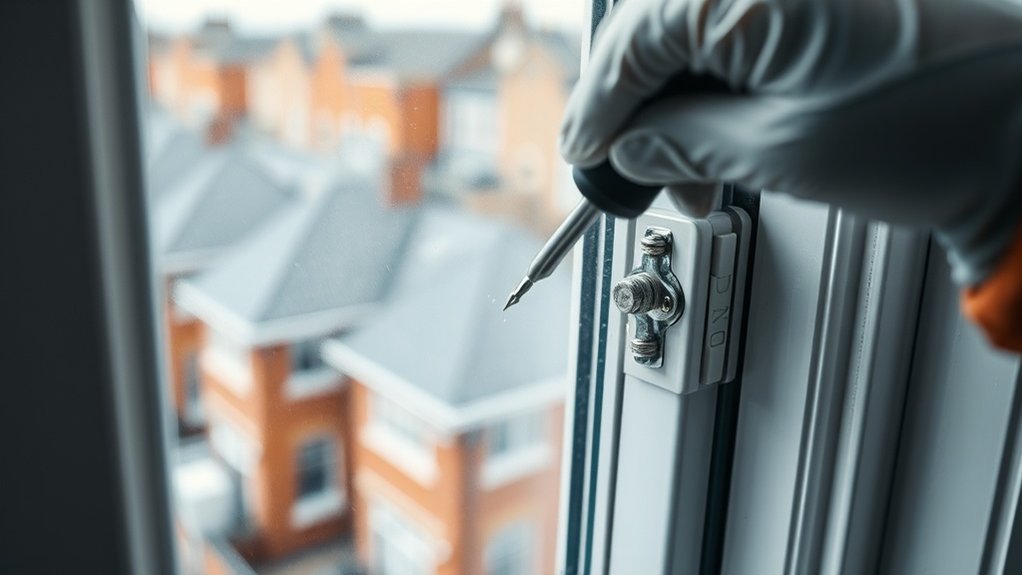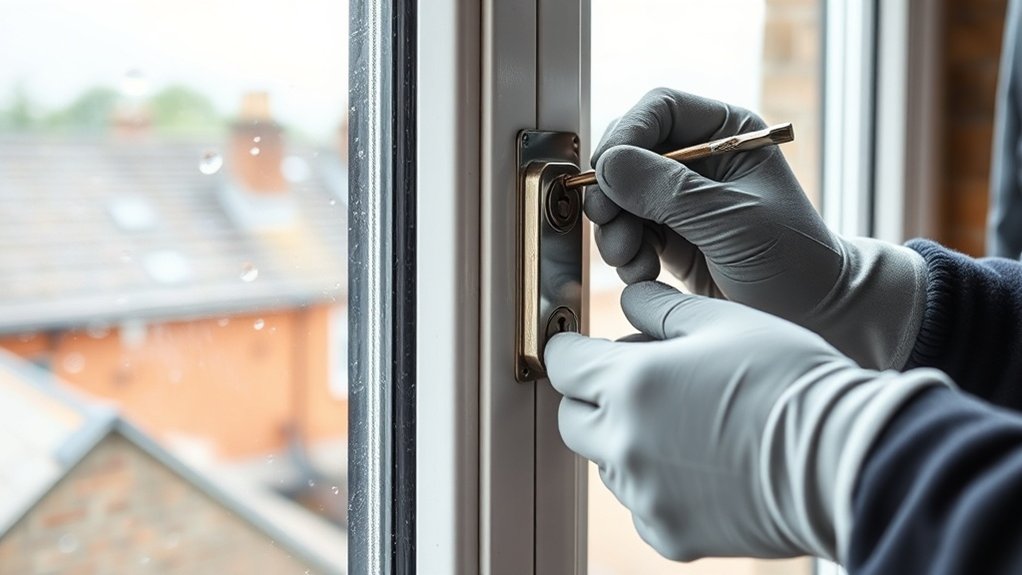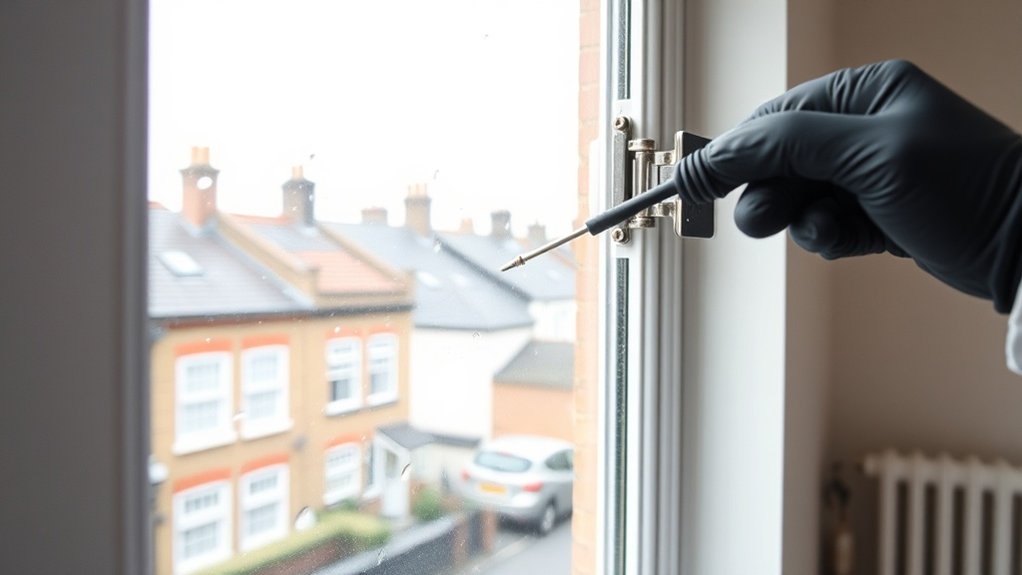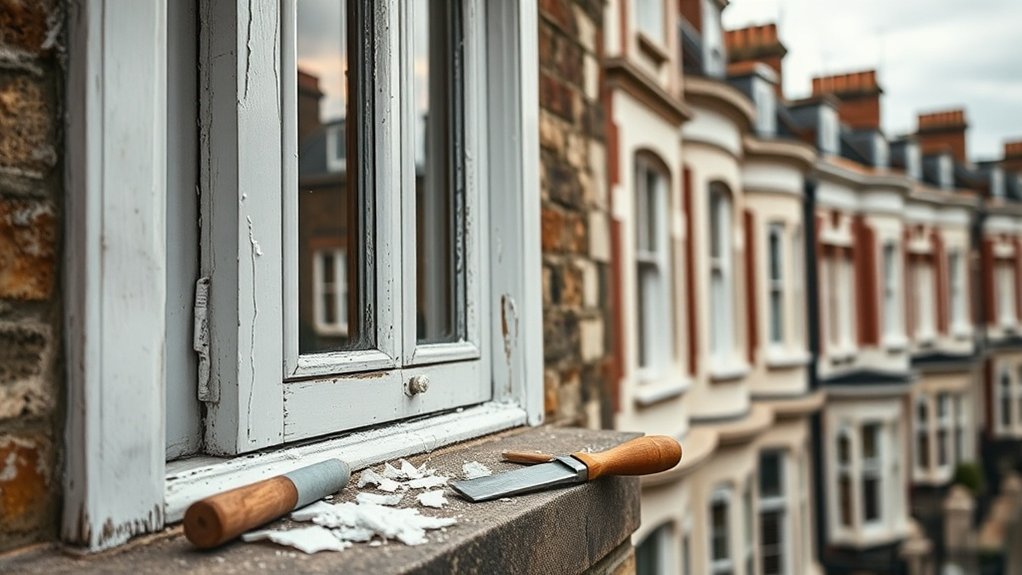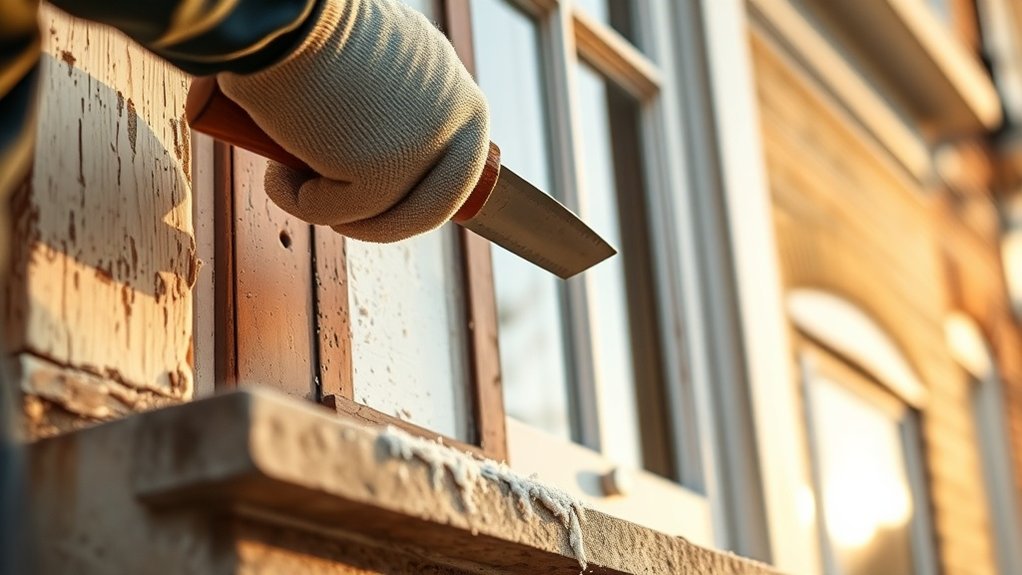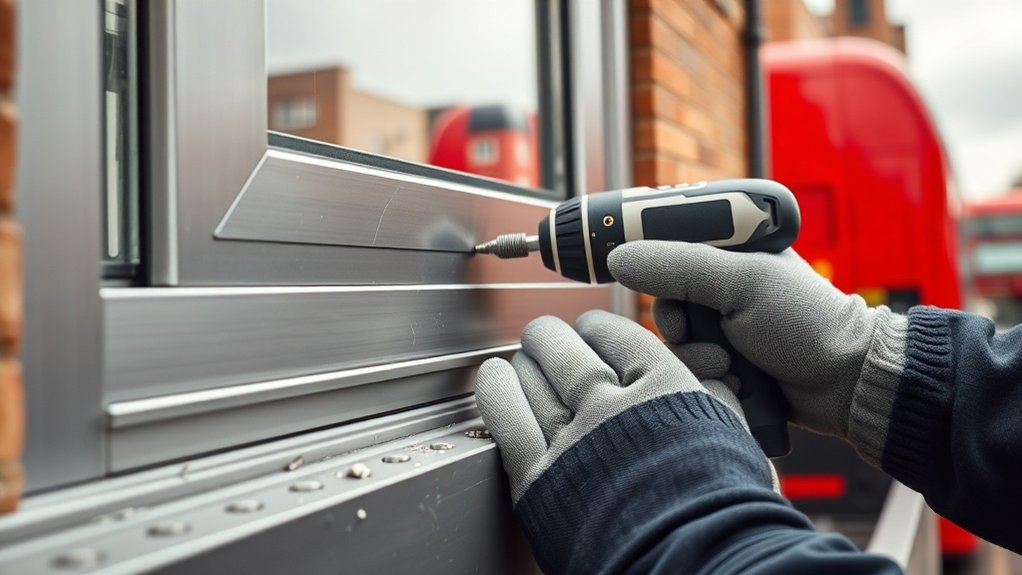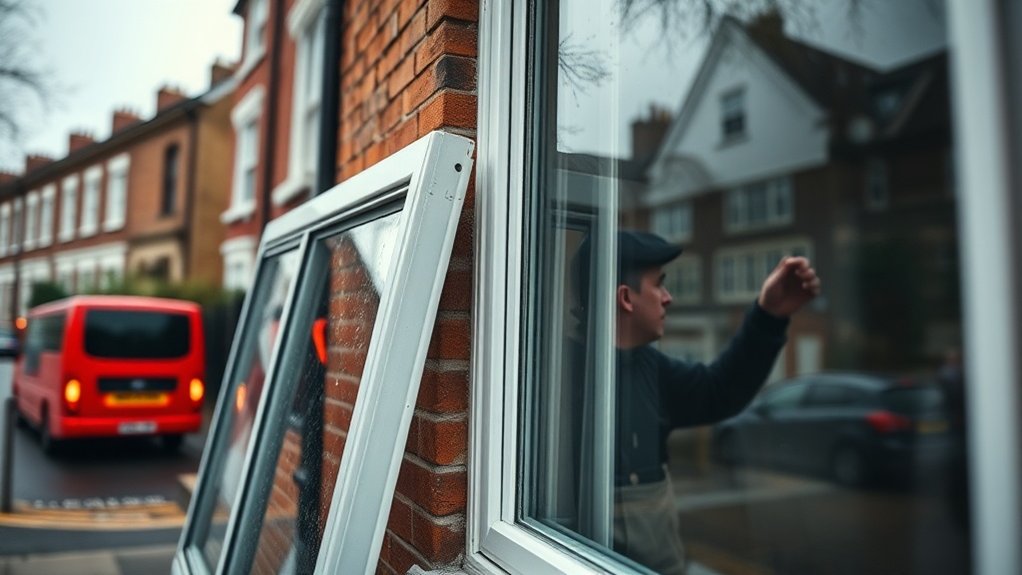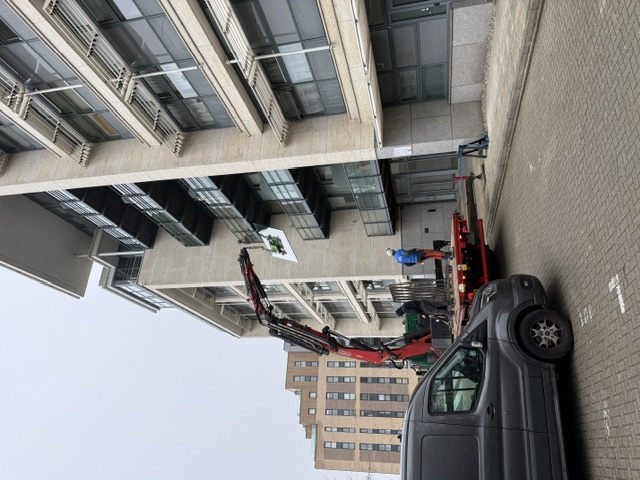
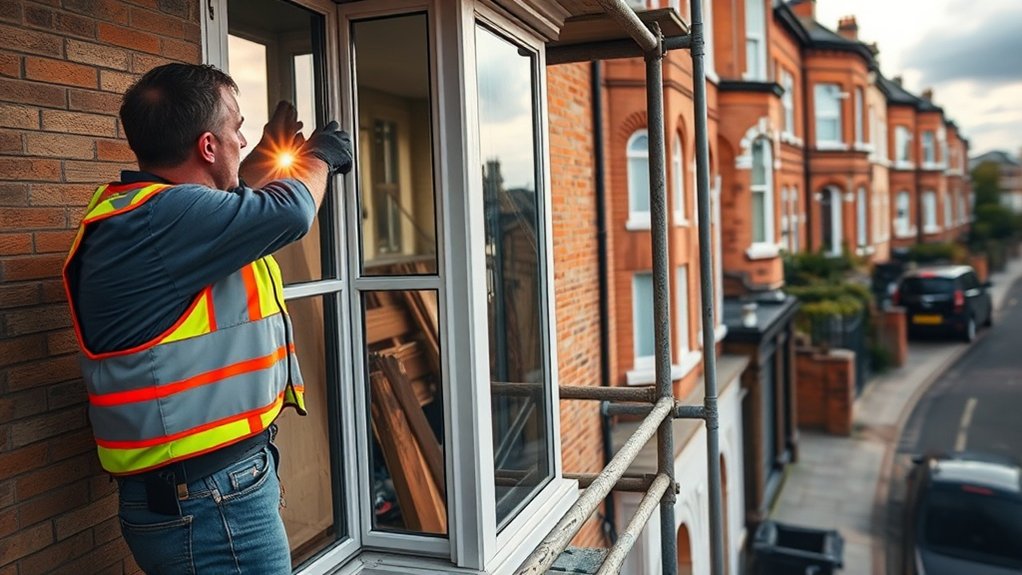
When you arrange window repair in London , you’re not just fixing a stiff sash or misted double glazing; you’re restoring airtightness, security, and energy efficiency. Technicians realign frames, recalibrate hinges and locks, replace failed gaskets and blown units, and can upgrade to low‑E, argon‑filled glass or secondary glazing. They’ll also address draught paths, condensation, and hardware wear to extend lifespan and meet local regulations, and the next sections explain how to choose the right solution and cost level.
Key insights
- Window repair in London typically includes fixing hinges, locks, seals, blown double glazing, draughts, and alignment issues on uPVC, timber, and aluminium frames.
- Expect basic uPVC repairs (hinges, handles) from about £60–£120 per window, with misted double-glazed unit replacements usually £120–£250.
- Professionals should assess whether repair or full replacement is more cost‑effective using condition surveys, moisture readings, and long‑term energy savings.
- Energy‑efficient repairs can upgrade you to low‑E argon‑filled glass, warm‑edge spacers, new gaskets, and calibrated locks to cut heat loss and noise.
- Always request itemised quotes covering labour, materials, access equipment, and optional upgrades like decorative films, secondary glazing, or colour‑matched hardware.
Window Repair in London: What It Actually Covers
When you book window repair in London, what exactly gets fixed, upgraded, or replaced? You’re not just patching glass; you’re optimizing a system. A technician can realign sashes, replace failed hinges , balances, and seals, and recalibrate locking mechanisms to enhance security and airtightness. They’ll often swap out damaged or inefficient panes for high-performance units, improving thermal efficiency and acoustics.
You can also specify upgrades that elevate window aesthetics. That might include slimmer sightlines, colour-matched frames, or precision hardware in modern finishes. If you want design-led performance, you can integrate decorative glazing: etched, tinted, laminated, or patterned units that deliver privacy, solar control, or branding. Frames, gaskets, and perimeter sealants are renewed to guarantee structural integrity and long-term durability.
Common Window Problems in London Homes
Why do so many London homes develop window issues long before the frames have “worn out” on paper? You’re dealing with a harsh mix of moisture, pollution, and temperature swings. Double‑glazed units often suffer perimeter seal failure, letting argon escape and condensation penetrate. Timber frames absorb persistent London damp , causing swelling, paint breakdown, and eventual rot around sills and glazing beads.
Metal or uPVC systems face different problems: gasket shrinkage, warped sashes, and misaligned hardware from building movement. Even upgrades like window tinting and decorative films can create thermal stress if applied without considering glass type, orientation, and existing coatings.
Addressing these problems demands precise diagnostics, compatible materials, and repair methods calibrated to London’s microclimate and your property’s construction.
Early Signs Your London Windows Need Repair
Recognising problems early matters just as much as understanding how London’s climate damages your windows. You’re looking for subtle, technical cues that performance is slipping long before failure’s obvious.
- Micro‑draughts and temperature gradients* – Feel for cold ribbons of air around frames; use an *infrared thermometer to detect uneven surface temperatures indicating failed seals.
- Condensation and clouding between panes – Persistent fogging signals a compromised insulating unit, degrading efficiency and window aesthetics.
- Frame distortion and sticking sashes – Warped timber or uPVC, hard-to-move sashes, or misaligned locks reveal structural movement and hardware wear.
- Degrading coatings and decorative glazing – Hairline cracks in decorative glazing, flaking paint, or UV-faded coatings show that protective layers are failing and moisture ingress risk is rising.
When to Repair vs Replace London Windows
When you decide whether to repair or replace your London windows, you should first assess the nature and extent of the damage to frames, glazing, seals, and hardware. You’ll then compare the total lifecycle cost of repair versus full replacement, factoring in materials, labour, maintenance, and expected service life. Finally, you should evaluate the impact on energy efficiency —heat loss, air leakage, and condensation performance—to determine which option delivers the best long-term value.
Assessing Window Damage
Although every broken pane or draughty sash can look like a crisis, evaluating whether a London window needs repair or full replacement starts with a systematic check of its structure, performance, and safety. You’re looking for quantifiable indicators rather than impressions.
-
Glazing integrity – Inspect for cracked panes, failed seals (misting), and edge damage. Consider whether targeted reglazing or advanced window tinting can restore performance and solar control.
-
Frame and sash condition – Probe timber for rot, check uPVC or aluminium for warping, corrosion, or joint failure that compromises structural rigidity.
-
Operational performance – Test opening, locking, and ventilation positions. Note draught paths, gasket failure, and hinge wear.
-
Surface and environmental factors – During window cleaning, map scratches, coating failures, and pollution staining that may indicate deeper substrate degradation.
Cost-Benefit Considerations
Even in a city with high energy costs and strict planning rules, the decision to repair or replace a window should hinge on measurable lifecycle value rather than instinct. You’ll want to model total cost of ownership over 20–30 years: upfront spend, maintenance intervals, likely failure modes, and risk of future regulatory constraints.
In London’s historical architecture, you should quantify heritage value as an asset, not sentiment. Retaining original frames or decorative glazing can preserve rental premiums, resale uplift, and planning flexibility. Compare that to the payback period of a full replacement, factoring scaffold, access challenges, and disruption.
Use condition surveys, moisture readings, and frame-section analysis to determine whether targeted component replacement can deliver 80–90% performance at a fraction of full replacement cost.
Energy Efficiency Impact
That long-term cost model only makes sense if you quantify how much energy each window actually wastes or saves in a London context. You start by measuring U-values , air leakage, and solar gain, then compare those figures with your heating profile and local climate data.
You should repair when targeted upgrades can close performance gaps without compromising window aesthetics or historical preservation. Replace when the frame’s beyond airtightness recovery or can’t support modern glazing.
- Glazing – Add slimline double/secondary glazing to retain period sightlines while cutting heat loss.
- Seals – Install compression seals and refurbish sashes to reduce infiltration.
- Frames – Assess thermal bridging; reinforce or line internally for better R-values.
- Controls – Integrate trickle vents and smart shading to manage condensation and solar gain.
How Much Does London Window Repair Usually Cost
For most London properties, window repair costs depend on several technical factors: frame material (uPVC, timber, aluminium, steel), glazing type (single, double, or triple), window size, access complexity, and the nature of the fault (misted units, broken panes, failed seals, hardware issues, or rotten frames). You’ll typically see basic uPVC hinge or handle repairs from £60–£120 per window, while resealing or replacing failed double‑glazed units ranges from £120–£250, scaling with pane size and spec.
If you add window tinting or decorative films to improve solar control or privacy, allow £25–£60 per pane, depending on performance rating. Complex access (scaffolding, rope access) can add 20–40%. Always request itemised quotes that separate labour, materials, access, and optional performance upgrades.
Timber Window Repair for London Period Homes
While London’s period homes often retain their original timber sash or casement windows, keeping them performing properly demands targeted, technical repair rather than cosmetic patching. You need methods that stabilise the timber substrate, optimise airtightness, and respect heritage constraints while upgrading performance.
- Timber diagnostics – You begin with moisture readings , probe tests, and end-grain inspection to map decay, joint failure, and paint film breakdown without unnecessary strip-out.
- Splice and resin repairs – You replace only failed sections with matched hardwood, then integrate epoxy consolidants to restore structural integrity.
- Sealing and hardware upgrades – You install brush seals, realign sashes, and specify low-friction pulleys and cords to cut draughts.
- Glazing enhancements – You retain window aesthetics and decorative glass while introducing slimline double glazing or secondary glazing to boost thermal and acoustic performance.
UPVC Window Repair for Modern London Homes
When you maintain UPVC windows in a modern London home, you’re typically addressing issues like failed double-glazing units, warped frames , stiff or misaligned hinges, and degraded gaskets that compromise airtightness. By diagnosing the exact source of draughts, condensation, or operational stiffness, you can target repairs such as hinge realignment, handle and lock recalibration, gasket replacement, or selective unit swapping. These focused repairs don’t just restore smooth operation and security; they also improve thermal performance, reduce heat loss, and help you keep energy bills under control.
Common UPVC Window Issues
Although UPVC windows suit modern London homes for their insulation and low maintenance, they still develop predictable faults that demand targeted repair. You’ll spot issues early if you integrate disciplined window cleaning and consider window tinting films that highlight hairline cracks , seal gaps, and frame distortion under changing light.
- Stiff or Misaligned Sashes – Hinges and friction stays warp; adjust fixings, lubricate, or upgrade to heavy‑duty hardware.
- Failed Gaskets and Seals – Perished rubber causes drafts and noise; replace with compression‑tested profiles.
- Locking and Handle Failures – Worn espagnolette gearboxes need recalibration or full mechanism swaps.
- Frame Discoloration and Micro‑Cracking – UV and pollution stress the PVC; deploy restorative polishing, localized resin repairs, or clip‑on trims to recover performance and aesthetics.
Energy-Efficient Repair Solutions
How do you turn routine UPVC window repair into a precise upgrade of your home’s thermal performance instead of just a cosmetic fix? You start by treating every component as an energy system. Inspect the window frame for warp, gaps, and failed seals; then specify high-density compression gaskets and low-conductivity packers to cut thermal bridging.
Prioritize targeted glass replacement with low‑E, argon-filled double or triple glazing, tuned to your property’s orientation and exposure. Upgrade spacer bars to warm-edge technology and ensure perimeter sealing with high-performance sealants compatible with UPVC.
Calibrate hinges and locking points to maintain uniform compression, preventing micro-draughts. Finally, integrate trickle vents with controllable airflow, so you balance airtightness with indoor air quality without sacrificing efficiency.
Draughty Windows and Insulation Upgrades
Even a slight draught around your window frames signals performance losses in both thermal insulation and airtightness that you can usually correct without a full replacement. You start by mapping leakage paths around sashes, beads, and meeting rails, then match solutions to your window style and existing glass design so upgrades remain cohesive, not intrusive.
- Perimeter sealing – Apply high-compression weatherstrips, silicone or hybrid sealants, and low-expansion foam to close micro‑gaps while preserving sash movement and tolerances.
- Frame refurbishment – Rebuild warped timber, adjust hinges, and recalibrate locking points to restore uniform pressure across seals.
- Secondary glazing – Add slimline internal frames for a controlled air layer that boosts U‑values without altering façades.
- Insulating glazing upgrades – Where feasible, retrofit higher-spec sealed units into existing frames for enhanced thermal performance.
Condensation and Blown Double Glazing Fixes in London
When you see misting or water trapped between panes, you’re usually looking at failed edge seals, saturated desiccant, or pressure changes that have blown the double glazing unit. You’ll need to assess whether a targeted repair (such as unit-only replacement within the existing frame) is more cost‑effective than full window replacement , based on frame condition, glazing spec, and access. At the same time, you should address the root causes of condensation with improved ventilation, correct trickle vent usage, and stable internal humidity control to prevent repeat failures.
Causes Of Blown Units
Ever wondered why double-glazed units suddenly mist up inside and look “blown”, especially in London’s variable climate? You’re seeing failure of the perimeter seal, allowing moist air to infiltrate the insulated cavity. Once saturated, the spacer desiccant can’t absorb more moisture, so you get persistent internal condensation.
Key technical causes include:
- Seal fatigue – UV, thermal cycling, and aggressive window tinting or privacy films creating additional heat load at the glass edge.
- Poor manufacturing – Inadequate edge-seal adhesion, under-filled desiccant, or contaminated spacer bars.
- Frame movement – Building settlement, sash distortion, and incorrect packing stressing the glass-to-frame interface.
- Environmental loading – Pollution, wind-driven rain, and London’s high humidity accelerating sealant breakdown and gas loss.
Repair Versus Replacement
Once a double-glazed unit has blown, you face a simple question: restore what you can, or replace the failed components entirely. In London, you’ll usually assess three variables: frame integrity, seal failure extent, and visual performance. If timber or metal frames in historical architecture remain structurally sound, you can specify replacement sealed units only, preserving original sightlines.
Targeted repair may involve drilling micro-vents, evaporating trapped moisture, inserting desiccant, then re-sealing. This restores transparency but rarely recovers full thermal performance. Full unit replacement lets you upgrade spacer technology, gas fill, and low‑E coatings while integrating advanced glass cleaning treatments that reduce dirt adhesion and streaking. You’ll balance capital cost against gains in clarity, efficiency, and long-term serviceability.
Preventing Future Condensation
Although blown units demand attention, you prevent repeat condensation by managing both the building’s moisture load and the window system’s thermal performance. You treat the glass, frame, seals, and surrounding fabric as a single hygrothermal system , not isolated elements. In London’s dense climate, you prioritise controlled ventilation, airtightness, and optimised glazing specification without sacrificing window aesthetics or advanced window accessories.
- Specify low‑emissivity, warm‑edge double glazing and thermally broken frames to reduce surface temperature differentials.
- Integrate demand‑controlled trickle vents and mechanical extract to stabilise indoor relative humidity.
- Upgrade perimeter seals, tapes, and airtight membranes to eliminate cold bridges and micro-leaks.
- Use data logging (temperature/RH sensors) to validate performance and fine‑tune occupant behaviour, heating, and ventilation strategies.
Window Lock, Hinge and Security Repairs
When window locks, hinges, or security fittings fail, you don’t just lose convenience—you compromise the integrity of the entire unit. You need hardware calibrated to your specific window styles and window materials, whether that’s slimline aluminium, engineered timber, or advanced uPVC composites.
A technician should first test operational tolerances: hinge friction, sash alignment, locking-point engagement, and handle torque. They’ll then realign frames, upgrade to multi-point or espagnolette locks , and specify security-rated hinges with integrated anti-lift and anti-jimmy features. For high-rise or child-sensitive areas, you can add restricted-opening mechanisms and tamper-resistant fixings.
Where appropriate, you can integrate smart sensors into locks, feeding real-time status to your home-automation platform, ensuring every window closes, seals, and secures as designed.
Emergency Window Repair After Break-Ins or Accidents
When a break-in or accidental impact leaves your window compromised, you need to secure the opening immediately with clear safety measures and controlled access to the affected area. You’ll then want a technician to install correctly measured, structurally stable temporary boarding that protects the frame and surrounding fabric of the building. Finally, you should arrange fast glass replacement using the correct glazing specification, ensuring the new unit restores security, insulation, and compliance with relevant British Standards.
Immediate Safety Measures
How should you respond in the critical minutes after a window’s been smashed by a break-in or accident? First, treat the opening as a live hazard: sharp edges, uncontrolled airflow, and potential structural stress on historic frames. You’re protecting people , property, window aesthetics, and—on listed buildings—historical significance.
- Isolate the zone: Clear occupants, pets, and valuables. Cut power to nearby sockets if glass or moisture is present.
- Stabilise the frame: Visually check for twisting, loose mullions, or compromised sash cords before touching debris.
- Manage glass safely : Use gloves, eye protection, and a stiff board or rigid sheet to nudge loose shards into a container.
- Secure perimeter data: Photograph break patterns, frame joints, and hardware for insurers and specialist glazing engineers.
Temporary Boarding Solutions
Once you’ve stabilised the scene and documented the damage, the next priority is to reinstate a secure, weather-tight barrier with temporary boarding. You’ll typically use exterior‑grade plywood, cut 10–15 mm oversize to overlap the frame, then anchor it into the structural reveals, never just the damaged sash. Use anti-tamper fixings and compressible weather seals or silicone beads to limit draughts and water ingress.
For period properties, you must also consider historical window preservation. Position fixings in sacrificial timber, not original mouldings, and record all interventions. Where privacy or visual continuity matters, combine boarding with decorative window films applied to the board’s exterior face, echoing glazing bars or stained-glass patterns and maintaining street-facing aesthetics while security and weather resistance are restored.
Fast Glass Replacement
Suddenly facing a smashed pane, you need fast, accurate glass replacement that restores security without compromising the window’s performance or compliance with UK standards. You can’t afford mismeasured units, thermal-inefficient glass , or poorly sealed frames that invite future failures.
- Rapid assessment: Technicians verify frame integrity, glazing rebates, and hardware, then specify glass type (toughened, laminated, acoustic, or low-E) with precise tolerances.
- Standards-compliant glass: Replacement units match BS EN glazing requirements, U-values, and safety zoning, ensuring insurance acceptance.
- On-site fabrication and sealing: Mobile teams cut, edge, and install glass, apply structural or silicone seals, and reinstate gaskets to restore airtightness.
- Performance upgrades: You can integrate window tinting for solar control or privacy and choose decorative glass to enhance branding, daylight diffusion, or façade aesthetics.
What to Expect From London Window Repair Pros
When you hire London window repair professionals, you should expect a structured, diagnostic-led service that starts with a thorough on-site assessment of your frames, glazing, seals, and hardware. They’ll quantify heat loss, acoustic leakage, and air infiltration, then map defects like rot, corrosion, and blown units.
You can expect clear, technical recommendations that balance performance with historical preservation where required. For period properties, specialists often specify slimline double glazing, heritage putties, and discreet draught-proofing systems. For modern envelopes, they may propose low‑E upgrades or selective glass tinting to optimise solar gain, glare control, and privacy.
They’ll sequence works logically : stabilise frames, restore functionality of sashes or hinges, then integrate new or refurbished glazing, ensuring airtightness and long-term structural integrity.
How to Choose a London Window Repair Company
Selecting the right London window repair company starts long before anyone touches your frames or glazing; it begins with verifying that a provider can actually deliver the diagnostic-led , performance-focused service described above. You’re not just buying a fix; you’re buying system-level thinking about thermal efficiency, acoustics, security, and aesthetics.
- Technical capability – Check for in-house glazing engineers, not just installers; ask how they test air leakage, moisture ingress , and frame movement.
- Material and system range – Ensure expertise with timber, aluminium, and composite systems, plus options like window tinting and decorative finishes.
- Data-driven quoting – Demand condition reports with photos, U‑value estimates, and lifecycle costings.
- Aftercare and monitoring – Look for warranties, scheduled inspections, and digital records of every intervention.
Window Repair Rules for Conservation and Listed Homes
Although the principles of thermal efficiency and airtightness still apply, window repair in London’s conservation areas and listed buildings is governed first by planning law and heritage policy, not convenience. You must treat every intervention as reversible, minimal, and documented . Most listed properties require Listed Building Consent for anything beyond like‑for‑like repair, including slimline double glazing, altered glazing bars, or new ironmongery.
You’ll need to evidence Historical preservation and aesthetic enhancement simultaneously. Specify timber species, putty type, glass thickness, and profile geometry to match existing sightlines. Use brush seals, micro-vents, or secondary glazing where primary frames can’t change. Coordinate early with conservation officers, supplying scaled drawings, sections, and material datasheets. This approach lets you upgrade performance while remaining fully compliant.
DIY Window Fixes London Residents Can Do Safely
Even without specialist tools, you can tackle several low‑risk window repairs yourself in a London home, provided you understand the limits of what’s safe and legal. Focus on tasks that don’t involve glass replacement, structural timber, or full frame removal.
-
Draft reduction – Apply self‑adhesive weatherstripping to frames and sashes. Measure rebates precisely, then choose compressible seals matching gap size for ideal airtightness.
-
Hardware optimisation – Replace worn handles, sash cords, and friction stays. Use stainless or coated fixings to resist London’s polluted, humid air.
-
Sealant upgrades – Rake out failed exterior mastic and re‑seal junctions with high‑performance , paintable hybrid sealants.
-
Targeted window cleaning for performance and window aesthetics – Clean glass, gaskets, and tracks with non‑abrasive agents to restore clarity, reduce sticking, and visually validate seal integrity.
Simple Maintenance to Help Your Windows Last Longer
When you introduce simple, scheduled maintenance into your London home routine, you slow down the wear mechanisms that typically destroy windows long before their time. Start by standardising window cleaning: use a pH‑neutral solution, microfiber cloths, and deionised water to minimise mineral spotting that degrades seals and glass coatings and dulls your home décor.
Inspect frames quarterly for micro‑cracks , failed caulk, and early rot; seal gaps with low‑modulus, exterior‑grade silicone to maintain airtightness. Lubricate hinges, espagnolette locks, and friction stays with a PTFE or silicone spray, not oil, to prevent dirt build‑up. Clear drainage channels and weep holes so standing water can’t attack timber or corrode aluminium.
Finish with yearly gasket checks , replacing flattened or brittle seals proactively.
Frequently Asked Questions
Do London Window Repair Companies Offer Warranties and What Do They Typically Cover?
Yes, most companies offer warranties. You’ll usually get warranty coverage on glass replacement, hardware, seal integrity, and installation quality, often ranging from 1–10 years. Repair guarantees typically exclude damage from misuse, impact, or structural movement. You should verify if they cover double-glazing fogging, draught issues, and frame alignment. Ask for written terms , response-time SLAs, and whether they provide transferrable warranties for future smart-glazing or energy-efficient upgrades.
Can Window Repairs in London Improve Soundproofing From Traffic and City Noise?
Yes, you can markedly improve soundproofing from traffic and city noise through targeted repairs. By upgrading to double glazing or repairing failed seals, you enhance acoustic insulation and achieve measurable noise reduction. You’ll also benefit from laminated acoustic glass, wider air gaps, and precision-fitted frames to minimize vibration paths. Specify decibel reduction targets , verify acoustic ratings (Rw values), and ensure installers use high-performance sealants and gaskets for ideal results.
Are Eco-Friendly or Recycled Materials Available for London Window Repairs?
Yes, you can specify eco-focused options. You’ll upgrade glazing with recycled glass, you’ll replace sashes with eco friendly frames, you’ll pair warm-edge spacers with inert-gas fills. You select FSC-certified timber, low‑embodied‑carbon aluminium, or recycled PVC-U profiles. You demand low‑VOC sealants , argon or krypton insulation, and trickle vents that maintain airtightness. You guarantee installers follow BS and EN standards so performance, durability, and sustainability align with your innovation goals.
How Can I Verify a London Window Repairer’s Insurance and Professional Accreditations?
You verify a repairer’s insurance and accreditations by demanding hard evidence, not assurances. For Insurance verification, request current public liability and employers’ liability certificates, then cross-check policy numbers with the insurer. For accreditation checks, validate memberships (FENSA, CERTASS, GGF) directly via their online registries. Examine certification scope , expiry dates, and complaint histories, ensuring coverage aligns with advanced glazing systems, energy-efficient units, and any structural alterations planned.
Can London Window Repairs Be Scheduled Outside Normal Working Hours to Suit My Timetable?
Yes, you can absolutely schedule work far beyond rigid 9–5 constraints. Many providers offer true Emergency services with 24/7 dispatch, plus structured evening and weekend availability. You specify time windows, and they’ll align technician routing, glass curing times, and noise restrictions around your timetable. Ask for SLA-backed arrival slots , digital confirmations, real‑time tracking, and dynamic rescheduling, so the repair workflow fits your calendar, not the other way around.
Summary
When you understand what window repair in London actually covers, you can diagnose issues early, control costs, and protect your property’s performance. From fogged double glazing to decayed sash frames, you’ll know when repair beats replacement and how regulations affect listed or conservation homes. Now, can you picture smoother operation, tighter seals, and lower energy loss? By applying simple maintenance and choosing a qualified specialist, you’ll extend window lifespan and keep your home resilient.