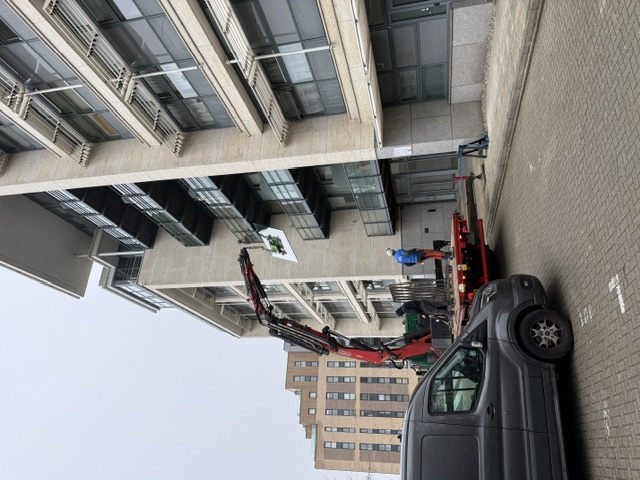
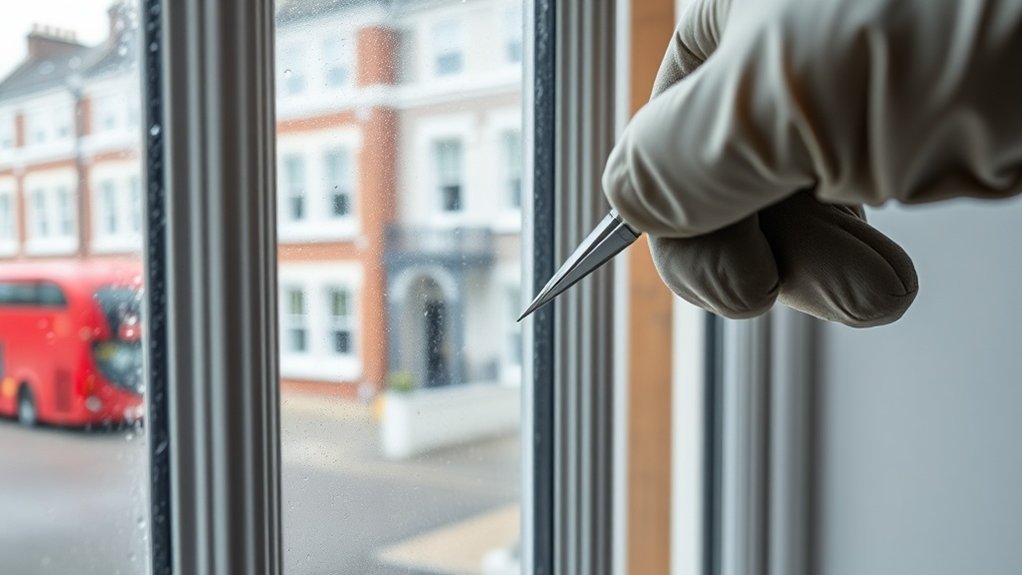
Misted double glazing in London means the sealed unit’s failed , letting moisture into the cavity and slashing insulation. A local specialist will confirm if it’s just the glass unit or also the frames, then either replace the blown unit with modern low‑E, argon‑filled glass or, in limited cases, use targeted venting and resealing. You’ll cut heat loss, condensation, and mould risk, and comply with UK standards. Next, you’ll see how to choose the right fix and budget for it.
Key insights
- Misted double glazing in London is usually caused by failed edge seals letting moist air into the gap between panes.
- Repair is often possible if frames are sound, by replacing the sealed glass unit rather than the whole window.
- Replacing failed units restores clarity, improves insulation, and can upgrade to modern low‑E or acoustic glass for better performance.
- Urgent signs include persistent misting, draughts, water staining, and black mould, which require prompt professional assessment.
- London specialists can diagnose on-site, use warm‑edge spacers and modern seals, and work on both standard properties and conservation-area homes.
What Is Misted Double Glazing?
When double-glazed units in London homes develop failed seals and allow moisture to penetrate the cavity between the panes, you see it as “misted” or fogged glass. You’re not looking at surface condensation; you’re seeing trapped vapour inside a sealed insulating glass unit .
Misted double glazing is a performance failure of the unit’s perimeter sealant system, spacer bar, or desiccant, not necessarily of the sash or frame. In London’s historical architecture, you’ll often encounter slimline double-glazed units retrofitted into original timber or steel frames, where thermal movement and minor frame distortion can accelerate seal breakdown.
Modern glass manufacturing lets you specify low-iron, low‑E or acoustic laminates, but once misting appears, optical clarity, U‑value, and solar control all decline until you replace the failed unit.
Why Your Double Glazing Mists Up in London
Ever wondered why sealed glass suddenly looks like it’s filled with London drizzle? Your double glazing mists because moist indoor air finds a way into the cavity between panes when edge seals or spacer bars begin to fail. London’s high ambient humidity, rapid temperature swings, and traffic‑driven vibration all accelerate micro‑fractures in perimeter seals.
Older units, poorly installed frames, and incompatible surface treatments make this worse. Certain Decorative films and aggressive Window tinting products can increase thermal stress, creating hotter outer panes and colder inner panes, driving condensation into any weakness in the seal.
Once that barrier’s compromised, desiccants in the spacer saturate, and the unit can’t absorb more moisture, so you see persistent fogging within the glass.
How to Tell If Your Misted Windows Can Be Repaired
Although misted double glazing can look like a write‑off, many units in London can be restored if you catch the problem early and recognise the right symptoms. First, check where the condensation sits: if it’s inside the cavity yet the glass feels intact and smooth, the unit’s usually a repair candidate.
Inspect the perimeter seals closely. Fine staining, minor moisture beads, or slight draughts around the frame suggest localised seal failure , not full system breakdown. Consider London’s shifting weather patterns: if misting appears mainly after sharp temperature swings or heavy rain, it often indicates a compromised edge seal rather than degraded glass durability.
Finally, verify the frame isn’t warped and the panes aren’t scratched, chipped, or visibly bowed.
Repair or Replace Your Misted Windows?
When you’re facing misted double glazing in London, you need to decide whether targeted repair will restore the unit’s performance or if full replacement is more cost‑effective. You’ll weigh factors like frame condition, severity of seal failure, and current U-values to see when replacement offers better thermal efficiency and reduced condensation risk. By comparing upfront costs with long-term energy savings and maintenance needs, you can choose the option that delivers the best value for your property and local climate.
When Repair Makes Sense
Before you decide to rip out and replace a misted double-glazed unit, it’s worth evaluating whether a targeted repair will restore performance at a lower cost. In many London homes, the frames remain structurally sound, and the failure is limited to the perimeter seal or internal moisture.
Repair makes sense when you can:
- Preserve frames – Existing uPVC, timber, or aluminium frames are sound, square, and compatible with modern glazing upgrades.
- Recover energy efficiency* – A specialist can *reseal, evacuate moisture, and often upgrade the cavity gas or spacer, improving U-values without full replacement.
- Enhance window aesthetics – Demisting and reconditioning remove fogging and staining, restoring visual clarity and curb appeal in conservation-minded boroughs, while minimising disruption and material waste.
Signs Replacement Is Better
Repair isn’t always the smartest use of your budget, especially in older London properties where glazing, frames, and hardware have all aged together. You should consider full replacement when you see rotten or warped sashes, pitted aluminium, or blown seals across multiple units, not just one or two.
If panes stay misted even after professional venting or drying, the spacer bars or cavity coatings have probably failed beyond economical repair. Drafts around the frames, cold spots near the glass, and visible water in the rebates all indicate lost thermal performance.
Replacement also gives you scope to integrate modern decorative films and privacy solutions directly into new units, optimising solar control, daylight, and street-facing aesthetics for demanding London conditions.
Cost And Long-Term Value
Two core questions drive the cost decision on misted double glazing in London: what will you spend now, and what will you save over the next 10–20 years? You’re balancing upfront repair costs against incremental gains in Glass insulation, reduced drafts, and stabilised indoor temperatures in a city with rising energy prices.
When you compare options, quantify:
- Targeted repair – Cheaper now; restores seals, improves Glass insulation, but may not fully optimise Window aesthetics or lifespan on older frames.
- Sash or unit replacement – Higher initial outlay; delivers sharper Window aesthetics, better U‑values, and fewer maintenance cycles.
- Whole-window upgrade – Smart coatings, warm-edge spacers, and gas fills maximise thermal performance , often reveallower bills and improved EPC ratings, attractive in London’s competitive property market.
Misted Double Glazing Repair Costs in London
Understanding misted double glazing repair costs in London starts with the key variables: window size, frame material, glass specification , floor level, and access. When you factor in London’s historical context, you’re often dealing with mixed stock: original timber sashes beside modern aluminium or uPVC. Each behaves differently, so labour time and sealing methods change, and so does cost.
You’ll typically see per-unit pricing rather than hourly rates, scaled by material durability and complexity. Toughened or acoustic glass, argon-filled units, and low‑E coatings add cost but improve performance. Upper-floor flats needing scaffold or specialist access increase pricing more than the glass itself. A good contractor will give you an itemised quote so you can compare options transparently across your whole property.
How Misted Double Glazing Repair Works Step by Step
Although each property in London has its quirks, the core process for repairing misted double glazing follows a clear, methodical sequence: diagnose , measure, manufacture, and install. Your specialist first confirms the failure of the sealed unit, checks the window framing for distortion, and records precise dimensions, including glazing rebates and tolerances typical of London housing stock.
They then specify a new insulated glass unit engineered for thermal performance and glass aesthetics, compatible with your existing frames.
- Diagnosis & survey – Identify condensation source, frame condition, ventilation factors.
- Specification & manufacture – Select glass type, spacer, gas-fill; commission fabrication to British Standards.
- Installation & sealing – Remove failed unit, prepare frame, insert new unit, apply high‑performance perimeter seals, and refit beads for an airtight, visually clean finish.
How Long Misted Double Glazing Repairs Really Last
Once a failed sealed unit ’s replaced correctly, a misted double glazing repair in London should perform like a new window for well over a decade, but real‑world lifespan depends on the quality of the unit, the installation detail, and the building it sits in. Historically, basic units in exposed London elevations might last 8–12 years before seals failed again. With modern spacer technology, better desiccants, and improved edge seals, you should expect 15–25 years if the frame’s sound.
Historical trends show that most premature failures come from poor drainage, thermal stress around poorly packed frames, and cheap perimeter sealants. By specifying high‑grade IGUs, verifying frame condition, and optimising drainage paths, you actively extend service life and maximise material durability in London’s microclimates.
Energy Savings From Repairing Misted Windows
When a replacement unit’s specified and fitted correctly , you don’t just regain clarity; you restore the insulating performance your London property’s been leaking for years. Repaired units re‑establish the argon-filled gap, low-e coatings, and edge seals that drive high Thermal insulation, so your heating system stops fighting uncontrolled losses through failed panes.
You’ll notice the impact in three tangible areas:
- Lower consumption – reduced U-values cut gas and electricity use, particularly in exposed London elevations.
- More stable comfort – fewer cold downdraughts and surface temperature swings, so you can run lower setpoints.
- Value-adding design – clear sightlines and upgraded Window aesthetics align with contemporary glazing specs, improving both kerb appeal and EPC performance without full-frame replacement.
When Misted Double Glazing Becomes an Urgent Problem
When your misted double glazing starts showing emergency warning signs—like internal pooling , cold draughts, or visible frame distortion—you can’t treat it as a routine maintenance issue. In London’s dense housing stock, these faults escalate quickly into mould growth, damaged plaster, and serious heat loss. You need to recognise when the unit’s seal has critically failed and act fast with rapid-response repair options that stabilise the window before structural or health risks increase.
Recognising Emergency Warning Signs
Although misted double glazing often develops gradually, certain warning signs mean the issue’s moved from routine maintenance to an urgent repair need. You’re not just dealing with cosmetic fogging; you’re facing accelerated heat loss, moisture ingress, and potential structural damage to window framing and surrounding finishes.
Look for these critical indicators:
- Persistent internal condensation that doesn’t clear with temperature changes, especially across multiple glass types in the same elevation.
- Visible water pooling, staining, or black mould on sills, plaster, or timber frames, signalling active moisture penetration into London’s typically porous building fabric.
- Cold draughts, rattling panes, or warped frames, suggesting the sealed unit’s failed and is stressing hinges, locks, and security performance—particularly essential on street‑facing or basement windows in dense urban areas.
Rapid Response Repair Options
So once those emergency warning signs appear, you need repair options that stabilise the window quickly and limit further damage to your London property. You can deploy interim measures within hours: targeted glass sealing of perimeter gaps to slow vapour ingress, rapid desiccant venting plugs to extract trapped moisture, and temporary films that restore a degree of window insulation while you schedule full remediation.
A specialist London contractor should offer same‑day diagnostics, thermal imaging to map heat loss, and on‑site sash dismantling where access is tight. They’ll prioritise units facing prevailing winds, high‑rise elevations, and rooms with vulnerable finishes or IT equipment. Rapid response doesn’t just clear mist; it protects frames, plaster, and energy performance until a permanent sealed‑unit replacement is installed.
Choosing a London Specialist for Misted Window Repair
Because London’s housing stock ranges from Victorian terraces to new-build apartments, choosing a specialist for misted double glazing repair means finding a contractor who understands both local building typologies and modern glazing systems. You need a firm that reads Historical trends in London façades yet engineers contemporary, high‑performance units.
Prioritise specialists who:
- Analyse existing frames, sightlines, and ventilation patterns, then specify glass and spacer systems optimised for Material durability, thermal efficiency, and acoustic performance in dense urban streetscapes.
- Use vacuum drilling , warm‑edge spacers, and desiccant technologies that minimise disruption while extending unit life rather than defaulting to full-frame replacement.
- Work comfortably across conservation areas and new developments, aligning repairs with planning constraints, Part L requirements, and future-proofing strategies, including low‑carbon glazing upgrades and smart-sensor integration .
Key Questions to Ask Misted Window Repair Companies
When you start speaking to misted window repair companies in London, you should treat the conversation like a technical interview, not just a quote request. Ask what diagnostic methods they use to identify seal failure and moisture paths, and whether they measure existing U-values before and after work.
Drill into how their process restores glass transparency and overall window aesthetics, not just “defogs” the unit. Clarify if they replace only the glass unit or also refurbish frames, gaskets, and drainage channels.
Request details on materials: spacer type, gas fill, and low‑E coatings suitable for London’s pollution, temperature swings, and noise. Ask about warranties on both workmanship and condensation return. Finally, query lead times, disruption levels, and recycling or reuse of removed units.
Common Mistakes With Misted Double Glazing
Many London homeowners mismanage misted double glazing by focusing on the visible fog rather than the underlying building‑physics problem: failed seals, trapped moisture, and thermal bridges . You might clean harder, add dehumidifiers, or ignore early haze, but those moves let vapor pressure and heat loss quietly escalate.
Common mistakes typically fall into three categories:
- Misdiagnosing the issue as surface condensation, so you delay intervention until spacer bars corrode and low‑E coatings degrade.
- Treating replacement as a cosmetic refresh, choosing Color options and Frame materials without checking U‑values, g‑values, and tolerance to London’s pollution and UV exposure.
- Swapping only one unit in a façade, creating performance asymmetry, thermal stress, and new paths for air leakage around existing frames.
DIY or Pro for Misted Double Glazing Repair?
Although misted double glazing looks like a simple moisture problem you could tackle with a drill and a sealant gun, the decision to DIY or bring in a specialist in London hinges on how comfortable you are working with insulated glass units, vapour dynamics, and building regulations.
If you’re technically confident, you might attempt minor perimeter resealing, frame drainage checks, or experimenting with decorative films and window tinting to mask cosmetic issues and improve solar control. But once the cavity’s failed , you’re dealing with gas fill, spacer bars, and precise dew‑point performance.
A London pro can pressure‑test units, match low‑E coatings to local orientation, and ensure FENSA-compliant replacements, protecting thermal performance, acoustic control, and your warranty—usually the smarter long‑term choice.
How to Stop Your Double Glazing Misting Again
To stop your repaired double glazing misting again, you need to control indoor humidity , especially in London’s damp winters and during activities like cooking and drying clothes indoors. You’ll use targeted ventilation – trickle vents, window settings, and mechanical extract in kitchens and bathrooms – to move moist air out before it condenses on the glass. With simple, regular maintenance of frames, seals, and drainage channels, you’ll keep the units performing as designed and reduce the risk of future condensation issues.
Controlling Indoor Humidity
When your double glazing keeps misting up, it’s usually a sign that indoor humidity is running too high, not just that the windows are faulty. In London’s damp climate, you need precise humidity control rather than ad‑hoc fixes. Aim to keep relative humidity between 40–55 %, verified with a digital hygrometer in key rooms.
Use targeted strategies:
- Source reduction – Cover pans when cooking, dry clothes with condensate-collecting dryers, and seal unused chimneys that channel moist air.
- Smart dehumidification – Install sensor‑driven dehumidifiers that modulate extraction based on real‑time readings, especially in south‑facing rooms.
- Optimised indoor plants – Use moisture‑absorbing species in moderation, with capillary irrigation trays to prevent over‑watering, so they stabilise micro‑climates instead of adding excess vapour.
Proper Ventilation And Maintenance
Once humidity’s under control, you stop recurring mist by pairing deliberate ventilation with disciplined window maintenance that’s tuned to London’s dense, often polluted air. Prioritise cross‑flow ventilation: crack opposite windows for brief, high-intensity air changes, especially after showers, cooking, or drying clothes. If you install trickle vents , specify ones with fine particulate filters to limit soot and NOx ingress.
Position indoor plants away from glazing; they buffer humidity but create microclimates that can trigger localised misting if leaves touch cold glass.
Adopt a quarterly window cleaning regime using non-abrasive, low-residue agents; they minimise particulate build-up that attracts moisture. Inspect seals and drainage slots at the same time: clear debris, verify weep holes discharge freely, and schedule prompt resealing if you spot micro-cracks or perished gaskets .
What to Expect on Your Misted Window Repair Day
Although every property is different, your misted double glazing repair day in London will follow a clear, predictable sequence so you know exactly what’s happening. Engineers arrive with calibrated moisture meters, low‑emission sealants, and glass units sized to your frames’ historical context and local conservation constraints.
-
Initial diagnostics – They confirm the failure mode, measure dew‑point risk, and assess environmental impact, including heat‑loss reduction and waste minimisation versus full-frame replacement .
-
On-site preparation – They protect floors, isolate alarms, and remove sashes or beads with minimal disturbance, essential in London’s dense urban settings and period façades.
-
Unit replacement and sealing – They install new insulated glass, apply warm‑edge spacers, vacuum-test seals, and clean down. You’ll receive performance data , care guidance, and future maintenance recommendations.
Frequently Asked Questions
Can Misted Double Glazing Affect the Value or Saleability of My London Property?
Yes, misted double glazing can reduce both the value and saleability of your London property. Buyers read it as poor Energy efficiency and neglected maintenance, especially in competitive postcodes. It undermines Aesthetic appeal in listing photos and viewings, triggering price negotiations or survey flags. If you replace failed units with high-performance glass, you enhance thermal performance, modernise the façade, and position your property as a low‑carbon, future‑ready asset.
Are There Any Insurance Policies That Cover Misted Double Glazing Repairs?
You can sometimes claim for misted units, but it’s limited. Imagine this: you’ve a 10‑year installer warranty plus home insurance. You’d first check the installer’s Repair warranties; if the seal failure’s within terms, that covers the unit. Insurance claims typically only help when damage’s sudden (storm, impact), not gradual failure. For innovation‑minded owners, look for policies and warranties explicitly naming “failed glazing seals” as an insured component.
Do Planning Permissions or Conservation Rules Affect Misted Window Repairs in London?
Yes, planning permissions and conservation rules can affect misted window repairs, especially in conservation areas or listed buildings . You’ll usually replace like‑for‑like without full permission, but window replacement that alters appearance, thickness, or opening style can trigger controls. You must comply with glazing regulations (Part L / FENSA) while respecting heritage constraints. An innovative approach uses slimline heritage double glazing, low‑iron glass, and warm‑edge spacers to balance performance and compliance.
Can I Claim Tax Relief or Grants for Repairing Misted Double Glazing?
You can’t usually claim direct tax relief just for standard misted double‑glazing repairs, but you should map the work onto energy‑efficiency criteria. Explore local authority repair grants , ECO4, and Great British Insulation Scheme pilots, which sometimes support high‑performance replacements, not like‑for‑like fixes. If you’re a landlord, you may offset qualifying repair costs against rental income. Always document specifications, U‑values, and invoices to future‑proof claims as schemes evolve.
How Do Misted Windows Impact Condensation and Damp Elsewhere in My Home?
Misted windows reduce window insulation, so inner panes get colder and attract moisture, increasing condensation and damp in adjacent rooms. Picture a Hackney loft: failed units cool the reveal, pushing warm moist air to colder corners, feeding mould behind wardrobes. You’ll see higher humidity, black spotting, and reduced energy efficiency as heating demand rises. Upgrade failed units, improve trickle ventilation, and balance whole‑house airflow to stop moisture migrating and condensing elsewhere.
Summary
When your double glazing mists in London, you don’t have to live with blurred views and rising bills. By diagnosing the cause, weighing repair versus replacement, and choosing a vetted local specialist, you’ll restore performance quickly and cost‑effectively. Treat your windows like a building envelope system—precise, sealed, and maintained—and future misting becomes far less likely. Act early, and your home will stay warmer, drier, and clearer, whatever the London weather throws at it.