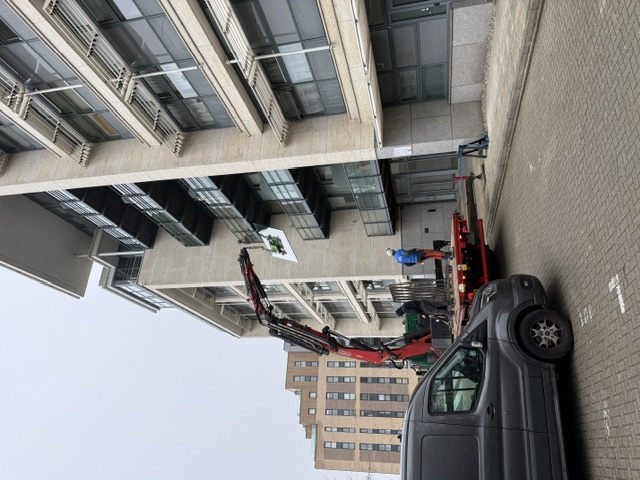
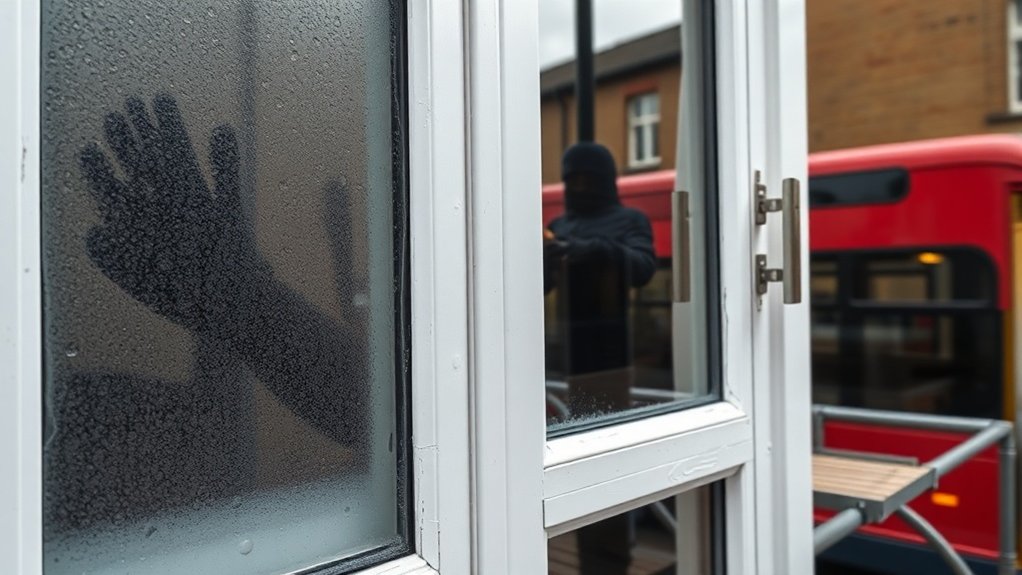
You can fix blown double glazing in London by identifying failed seals early, then choosing targeted repair or full unit replacement. Look for misting between panes, cold drafts, and higher heating bills. A certified local specialist can reseal or replace units, upgrade to low‑E glass and warm‑edge spacers, and guarantee compliance with London’s building and conservation rules. You’ll cut energy loss, reduce condensation and noise, and understand exactly which option gives you the best long‑term value.
Key insights
- Identify blown double glazing by persistent misting or condensation between panes, visual haze, and reduced insulation, especially in older or poorly installed London windows.
- Many London firms can reseal or replace failed sealed units within existing frames, restoring clarity and thermal efficiency with minimal disruption.
- Choose repair when frames are sound; opt for full window replacement if timber or uPVC frames are warped, rotten, or repeatedly causing unit failure.
- Ask installers about modern upgrades such as low‑E glass, warm‑edge spacers, and argon gas fill to improve energy performance and reduce heating bills.
- Ensure your chosen London repair service is FENSA/Certass registered, offers written guarantees, and complies with local planning and Building Regulations requirements.
What Is Blown Double Glazing and Why It Matters
When your double glazing is “blown,” it means the airtight seal between the two glass panes has failed, allowing moisture-laden air to enter the cavity and form condensation or mist inside the unit. You’re no longer benefiting from the original insulating performance the unit was engineered to deliver.
That failed seal matters for two critical reasons: energy efficiency and window aesthetics. Once the insulating gas escapes, thermal resistance drops, so heat loss rises and your heating system works harder. You’ll feel colder draughts near the glass and see higher energy bills. At the same time, trapped moisture permanently clouds the pane, degrading sightlines, daylight levels, and your façade’s visual coherence—issues you can decisively address with targeted, modern repair solutions.
Common Causes of Blown Double Glazing in London Homes
Understanding what “blown” double glazing is naturally leads to a practical question : why does it fail in the first place, especially in London homes? You’re dealing with a demanding urban climate: high humidity, pollution, traffic vibration, and rapid temperature swings. All of these quietly attack the perimeter seal and spacer system.
Key technical causes include:
- Poor-quality or aging edge seals that allow argon gas loss and moist air ingress.
- Thermal stress from strong sun, intensified by window tinting or dark decorative glass films.
- Building movement in period properties, where subtle frame distortion twists the sealed unit.
- Incorrect installation tolerances , drainage gaps, or packers that overload one corner of the unit.
How to Spot Early Signs of Blown Double Glazing
Although a blown unit often looks obvious once it’s fully failed, you can catch trouble much earlier by watching for small changes in how the glass looks and performs. Start by checking for misting or haze trapped between the panes that doesn’t wipe away inside or out. Look along the edges for tiny moisture beads or faint tide marks.
Next, stand back and assess reflections: distortions, waviness, or patchy clarity suggest the sealed cavity’s been compromised. Examine any decorative finishes and window tinting closely; if patterns appear uneven, blotchy, or slightly “milky” in places, the internal environment is shifting.
Finally, compare rooms: if one double‑glazed unit feels noticeably colder to the touch or transmits more street noise, it’s likely starting to fail.
What Happens If You Ignore Blown Double Glazing
If you ignore blown double glazing , you’ll typically see rising energy bills first as your windows lose their insulating performance. Over time, that failed seal can also allow moisture to track into the frame and wall reveals, creating hidden damp and mould that affect both structure and air quality. Left unresolved, the unit itself can suffer long-term damage, making a straightforward repair impossible and forcing a full window replacement instead.
Rising Energy Bills
Sooner than you think, blown double glazing starts driving your energy bills up, because the failed seal destroys the insulating air gap that keeps heat where it belongs. Your boiler or heat pump has to work harder, running longer cycles to compensate for the rapid heat loss through misted, inefficient units . That wasted output shows up directly on your monthly statement.
You’ll notice:
- Radiators and rooms cooling quickly after the heating switches off
- Cold downdraughts near windows despite the system running
- Smart thermostats reporting longer run‑times to maintain setpoints
- EPC performance dropping as overall Energy efficiency declines
The fix is straightforward: replace the failed sealed units with modern, low‑emissivity glass and warm‑edge spacers. With the right technical survey and responsive customer service, you’ll stabilise consumption and future‑proof your bills.
Hidden Damp And Mould
Left unchecked, blown double glazing quietly turns into a moisture problem, feeding hidden damp and mould inside your property. Once the seal fails, humid air infiltrates the cavity, condenses on the cooler glass, and migrates to adjacent frames, reveals, and plaster. You don’t always see it; hidden dampness can track behind skirting, under flooring, and into insulation, creating ideal conditions for mould growth and poor indoor air quality.
You can break this cycle with a targeted repair strategy. Replacing failed units, improving perimeter sealing, and integrating trickle ventilation restores the glazing system’s vapour control. Modern low-emissivity glass and warm-edge spacers further stabilise surface temperatures, reducing condensation risk and keeping moisture where it belongs—outside your living space, not in your building fabric.
Long-Term Window Damage
Over time, ignoring blown double glazing doesn’t just spoil the view; it steadily undermines the integrity and performance of the entire window system. As moisture penetrates the failed seal, the unit loses thermal efficiency, structural stability , and long-term reliability. Left unchecked, you’re not just facing misty panes but a cascade of avoidable degradation.
- Reduced window aesthetics as glass becomes permanently cloudy and frames discolour
- Compromised sound insulation , letting urban noise leak into your living and working spaces
- Progressive frame distortion, stressing hinges, locks, and opening mechanisms
- Accelerated corrosion of metallic components, shortening the window’s service life
Blown Double Glazing: Repair or Replace?
When a sealed unit blows and condensation clouds your view, the key question is whether you can repair the double glazing or need a full replacement . You’re weighing cost, disruption, and performance. The core issue is loss of the airtight seal, which undermines thermal performance and long-term energy efficiency.
You don’t always need to replace the entire window; often the decision focuses on the glass unit versus the full frame system. If your frames are sound, upgrading only the failed unit can integrate modern design innovations, like improved low‑E coatings or warmer edge spacers, without major structural work. If frames are warped, decayed, or thermally outdated, full replacement usually delivers better lifecycle value, performance stability, and compatibility with future smart-home upgrades.
Blown Double Glazing Repair Options Explained
When you’re ready to fix blown double glazing , your main technical options are resealing the failed unit or replacing the affected glass pane entirely. Resealing focuses on restoring the unit’s airtight and watertight perimeter, while glass pane replacement addresses more severe damage or persistent condensation. By understanding how each method works, you can choose a repair strategy that restores performance without unnecessary cost.
Resealing Blown Units
Sometimes the most cost‑effective way to deal with blown double glazing is to reseal the existing unit rather than replace it outright. By restoring the perimeter seal, you stabilise internal moisture , protect window aesthetics, and recover lost energy efficiency without a full system swap.
During resealing, a specialist will evacuate trapped moisture, clean the cavity, and apply advanced perimeter sealants or spacer technologies engineered for long‑term vapour resistance. This lets you extend the service life of your current glazing hardware.
You’ll typically benefit from:
- Lower project cost and faster turnaround
- Reduced disruption to internal finishes and décor
- Improved thermal performance and reduced draughts
- A more sustainable, low‑waste intervention strategy
Resealing suits units where the glass and frames remain structurally sound.
Glass Pane Replacement
In many cases of blown double glazing , the most reliable long‑term fix is to replace the affected glass panes while retaining the existing frames. You keep the structural integrity of your installation while eliminating misted, inefficient units. A specialist measures each aperture precisely, then specifies new sealed units with low‑E coatings, warm‑edge spacers, and inert gas fills to restore thermal performance.
You can also upgrade glass thickness or laminate composition to improve window security without altering your property’s façade. At the same time, you may opt for tinted, patterned, or acoustic glass for targeted aesthetic enhancement and noise control. Professional pane replacement integrates with your current hardware and seals, minimising disruption while delivering a future‑proofed, higher‑spec solution.
How Much Does Blown Double Glazing Repair Cost in London?
Although prices vary across the capital, you can expect blown double glazing repair in London to typically range from around £70–£120 per pane for resealing or replacing the failed glass unit, with costs rising for larger units, special glass types (e.g. toughened, laminated, acoustic, or low‑E), or difficult access. You’ll usually receive a clear itemised quote that separates glass, labour, and any add‑ons such as window tinting or security enhancements.
Typical price drivers include:
- Frame material and condition (uPVC, aluminium, timber refurbishment needs)
- Performance upgrades such as solar‑control coatings or integrated blinds
- Access complexity, scaffolding, or out‑of‑hours attendance
- Volume discounts if you repair multiple failed units in one visit
A good specialist will stabilise costs with precise measurements and digital surveying.
How Long Do Blown Double Glazing Repairs Last?
When you repair blown double glazing properly, you can typically expect many years of reliable performance before any issues reappear. The exact lifespan depends on technical factors such as glass quality, spacer and sealant systems, installation standards, and London’s specific weather exposure. By understanding these durability drivers, you can choose repair solutions that maximise longevity and reduce the risk of repeat failures.
Typical Repair Lifespan
Because you’re investing in a repair rather than a full replacement, you need a clear idea of how long a blown double glazing fix will realistically last. A professionally executed repair typically delivers a reliable lifespan of 5–10 years, restoring both window aesthetics and thermal performance to a high standard. Modern repair systems use advanced sealants, desiccants, and gas-retention methods designed to resist London’s variable climate .
You can usually expect:
- Clear glass with minimal risk of recurring condensation for many years
- Stable thermal performance that supports reduced heat loss and drafts
- Consistent acoustic insulation, comparable to a newer unit
- A predictable service window before you need to think about full replacement
This lifespan gives you a solid, cost-effective bridge between immediate failure and long-term upgrade planning.
Factors Affecting Durability
Even with a typical 5–10 year lifespan in mind, how long your blown double glazing repair actually lasts depends on a precise mix of installation quality, product choice, and site conditions . If a technician prepares the frame correctly, uses compatible sealants, and reinstalls the unit to tight tolerances, you dramatically reduce future moisture ingress and pressure-related stress.
Material specification matters just as much. High‑performance edge spacers, low‑permeability seals, and gas fills calibrated for London’s climate will stabilise internal conditions and protect window aesthetics over time.
External exposure also plays a role: south‑facing elevations, traffic pollution, and wind loading can accelerate degradation. With the right detailing, you’ll maintain energy efficiency, optical clarity, and structural integrity far beyond the basic expectation.
When to Replace Your Windows Instead of Repairing
Although many blown double glazing issues respond well to targeted repairs, some window units reach a point where replacement delivers better performance, reliability, and value. You should consider full replacement when the sealed unit has repeatedly failed , frames are structurally compromised, or thermal performance no longer meets your expectations for a modern, low‑carbon home.
Key triggers to watch for include:
- Persistent condensation and misting even after previous repairs
- Distortion, rot, or corrosion in frames, especially in historical architecture
- Noticeable cold spots, drafts, or rising energy bills despite other upgrades
- Poor window aesthetics that limit daylight, views, or smart‑home integration
In these cases, installing new, high‑spec double glazing lets you future‑proof your property and align performance with your design ambitions.
Choosing a Double Glazing Repair Company in London
When you’re choosing a double glazing repair company in London, the right partner should combine proven technical expertise with transparent processes and robust guarantees. Look for FENSA or CERTASS accreditation, clear diagnosis methods, and written warranties that specify how long repaired units and seals are covered.
Prioritise firms that understand low‑emissivity glass , warm‑edge spacers, and gas‑filled units, and can advise whether your blown units are suitable for upgrade rather than full replacement. Ask how they’ll integrate new panes with existing frames, finishes, and any decorative enhancements so your façade remains cohesive.
You should also check their capability to improve security features: laminated or toughened glass options, reinforced hinges, and upgraded locking hardware that align with modern security standards.
What Happens During a Blown Double Glazing Repair Visit
On the day of your repair visit, the technician systematically assesses each blown unit , starting with a visual inspection for misting patterns, failed seals, frame movement, and signs of water ingress. They’ll confirm glass specification, spacer type, and gas fill so any replacement IGU matches your performance requirements and existing decorative finishes.
Next, they carefully remove glazing beads, extract the failed unit, clean the rebate, and check drainage and packers. A precision‑made replacement unit is then installed, aligned to protect hinges and maintain window aesthetics, and re‑beaded for airtightness.
You’ll typically see:
- Moisture readings around frames and sills
- Checks that openings, locks, and vents operate smoothly
- Verification of sightlines and symmetry for window aesthetics
- Guidance on compatible decorative finishes for future upgrades
How to Stop Your Double Glazing Blowing Again
Preventing your replacement units from blowing again starts with controlling the conditions that caused the seals to fail in the first place: movement , moisture, heat, and poor ventilation. You minimise frame movement by ensuring hinges, packers, and locking points are correctly adjusted and serviced annually.
Control moisture by maintaining effective trickle vents, using extract fans, and avoiding persistent condensation on glass. If you want privacy or solar control, choose high‑performance decorative window films applied to the inner pane rather than heavy curtains pressed against the glass, which trap heat.
In London’s older properties, check that your installer understands historical building regulations, including limits on frame modification. Correct frame specification, compatible sealants, and regular inspections will keep gas-filled cavities stable and units clear.
London Rules, Guarantees and Insurance for Double Glazing Repairs
Because London combines national glazing standards with local planning controls, you need to treat blown double glazing repair as both a technical and regulatory project. You’ll navigate Building Regulations, conservation rules, and leasehold conditions while ensuring your new sealed units meet performance benchmarks.
You should expect written guarantees that define lifespan, thermal performance, and failure thresholds, especially for gas-filled units and warm-edge spacers. Insurance-backed guarantees are essential so cover continues even if the installer ceases trading. Check that policy scope extends to compatible upgrades like window tinting and decorative films, which can change solar gain and privacy characteristics.
Look specifically for:
- FENSA or equivalent compliance route
- Insurance-backed guarantee documentation
- Clear warranty exclusion list
- Evidence of public and product liability insurance
Questions to Ask London Double Glazing Repair Companies Before You Book
Before you commit to a blown double glazing repair in London, you should treat the initial call or survey as a structured technical interview. Ask what diagnostic tools they’ll use to confirm failed seals and moisture paths, not just “visual inspection.” Query their approach to preserving window security during and after the repair: do they upgrade locking hardware, hinges, or laminated glass options?
Request performance data: expected U‑values , noise reduction, and condensation resistance after works. Challenge them on aesthetic impact: can they match spacer colour, sightlines, and coatings to existing units or neighbouring properties?
Clarify lead times, disruption level, waste handling, and who’s actually doing the work—employees or subcontractors. Finally, ask for written specs, itemised pricing, and warranty conditions before booking.
Frequently Asked Questions
Can Blown Double Glazing Affect the Value or Saleability of My London Property?
Yes, it can. Blown units signal reduced double glazing durability, which surveyors and buyers notice, potentially lowering offers or slowing your sale. You should quantify the impact through a quick repair cost analysis and address it proactively. Replacing failed units restores thermal performance, acoustic insulation, and visual clarity. By presenting recent, warrantied upgrades, you turn a defect into a technology refresh that protects value and strengthens your negotiating position.
Are There Eco‑Friendly Repair Options for Blown Double Glazing in London Homes?
You’ve got several eco‑friendly repair options . Technicians can retain existing frames, swap only failed units, and specify argon‑filled, low‑E glass that boosts efficiency. They’ll use eco friendly materials like FSC‑certified timber beads, aluminium spacers, and low‑VOC sealants. These sustainable repairs minimise waste, reduce embodied carbon, and enhance thermal performance, so you upgrade your glazing, not landfill. You protect comfort, cut emissions, and keep your property aligned with future‑focused standards.
Will Repairing Blown Double Glazing Reduce Outside Noise Levels in Busy London Streets?
Yes, repairing blown double glazing will typically reduce outside noise, especially on busy London streets. By restoring the sealed unit, you improve acoustic performance, particularly when combined with advanced soundproofing techniques like laminated acoustic glass or asymmetric pane thickness. You can also upgrade window insulation options, including warm‑edge spacers and inert gas fills, to minimise vibration and sound transfer. You’ll gain a quieter, more controlled indoor environment without compromising modern, energy‑efficient design .
Can Listed or Conservation-Area Properties in London Have Blown Units Repaired Easily?
Yes, but you’re walking through a protected gallery, not a DIY workshop. Imagine each window as a museum artifact: historic preservation rules and glazing regulations act as curators. You can usually repair or replace blown units if you match sightlines, profiles, and materials, often using slimline or heritage-approved glazing. You’ll coordinate with conservation officers, submit specifications, and use specialist contractors , but you can still integrate discreet, high‑performance, innovative solutions.
How Does Blown Double Glazing Impact Indoor Air Quality and Condensation-Related Mould?
It directly undermines Indoor air quality and drives mould risk. When seals fail, moist air penetrates, cold glass encourages surface condensation, and spores exploit damp frames and reveal edges. You’ll see misting, musty odours, and localised black spotting. Robust condensation control means replacing failed units, optimising trickle ventilation, and integrating smart humidity sensors. That way, you stabilise internal dew points, disrupt mould growth cycles, and maintain a healthier, future‑proofed envelope.
Summary
When you fix blown double glazing promptly, you’re protecting both comfort and cash. In fact, the Energy Saving Trust estimates energy‑efficient windows can cut heat loss by up to 75% compared with single glazing—wasted if units are failed. By spotting misting early, choosing repair or replacement wisely, and checking guarantees and FENSA/Certass credentials, you’ll restore performance, control condensation, and stabilise bills. You’re not stuck with fogged panes—specialist London repair teams handle this every day.