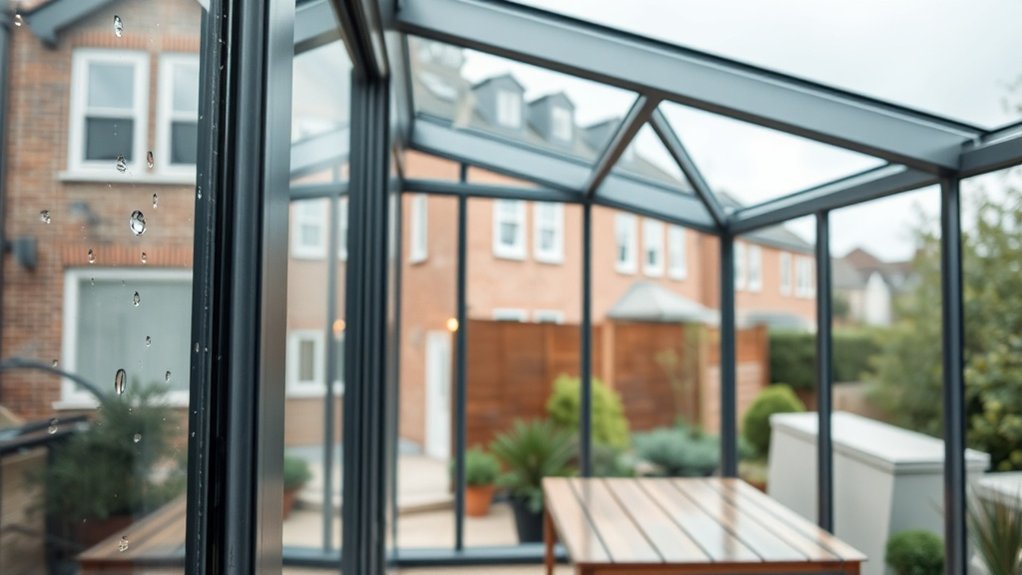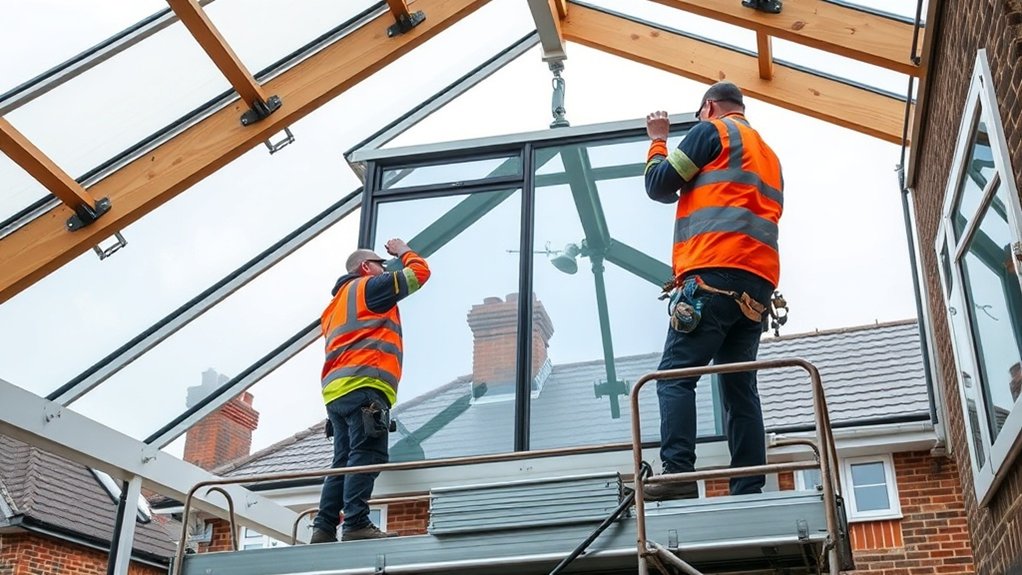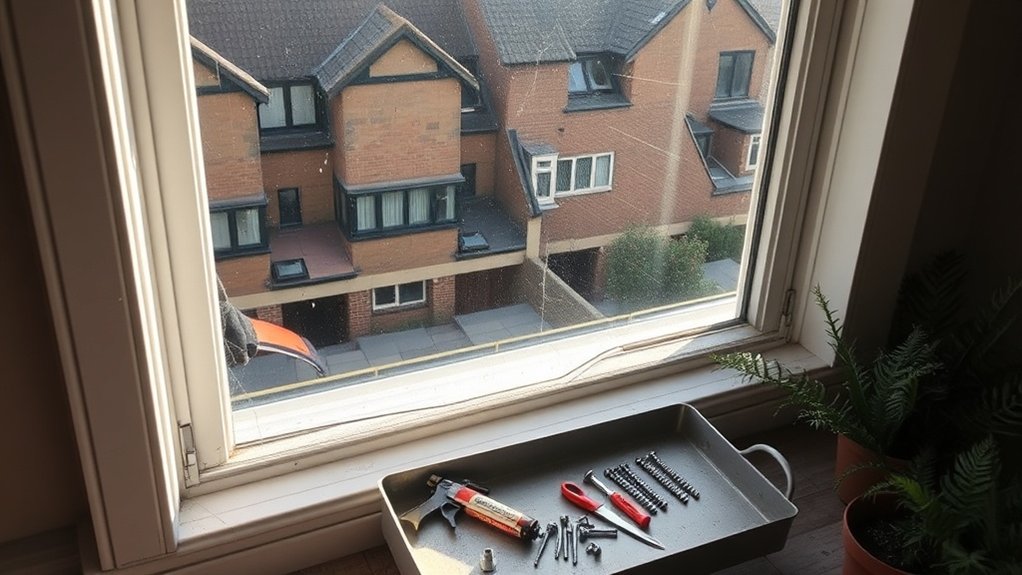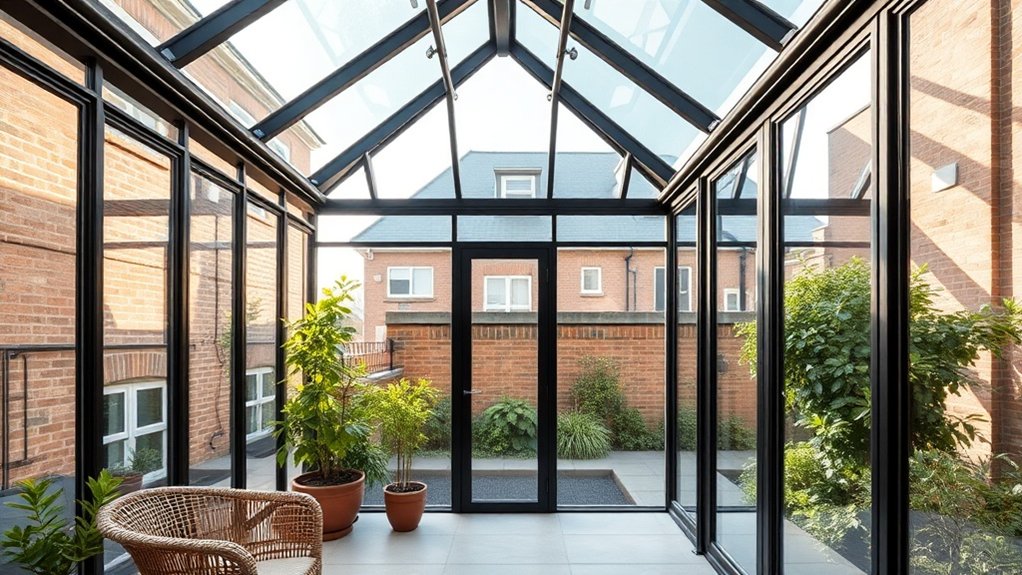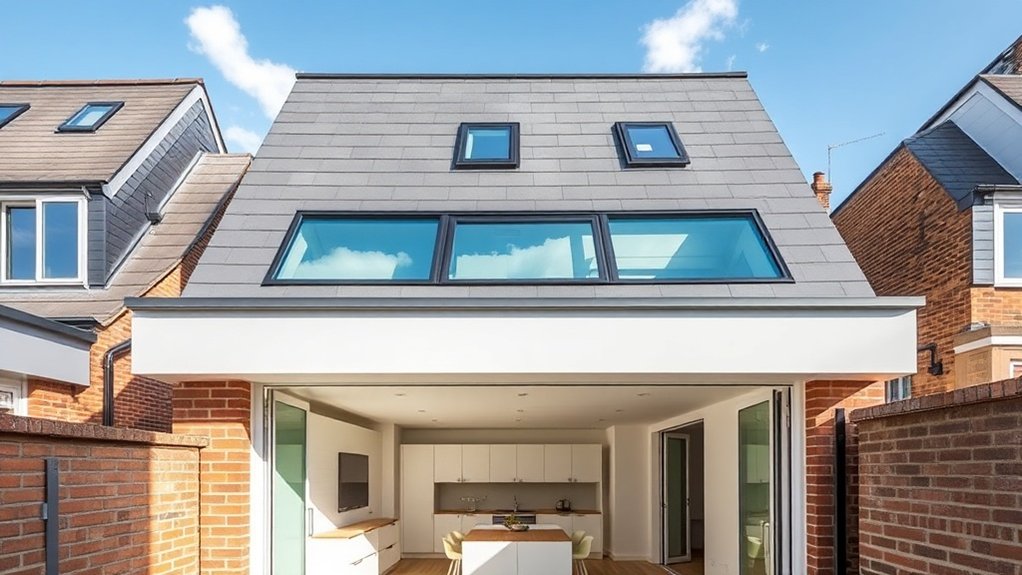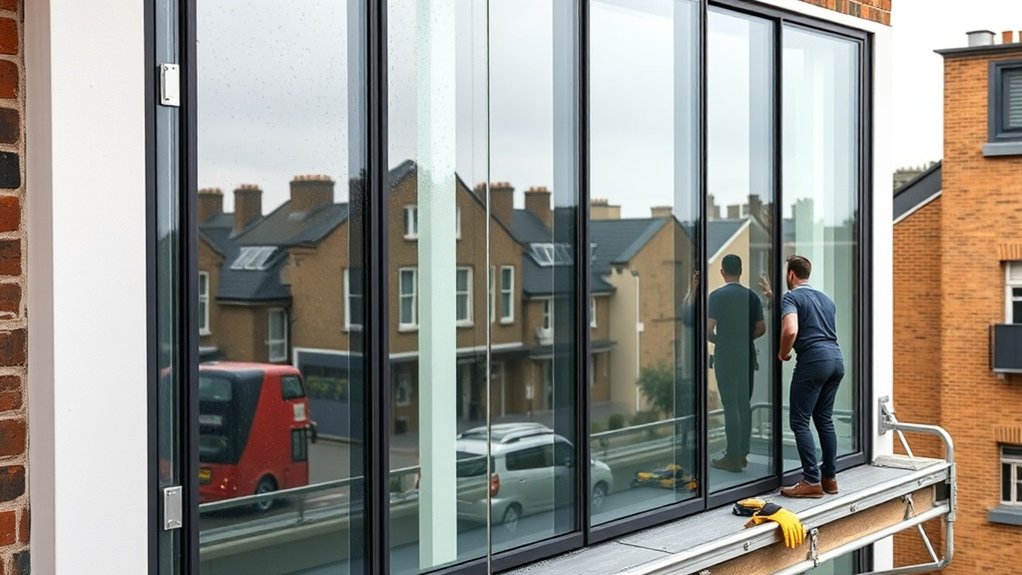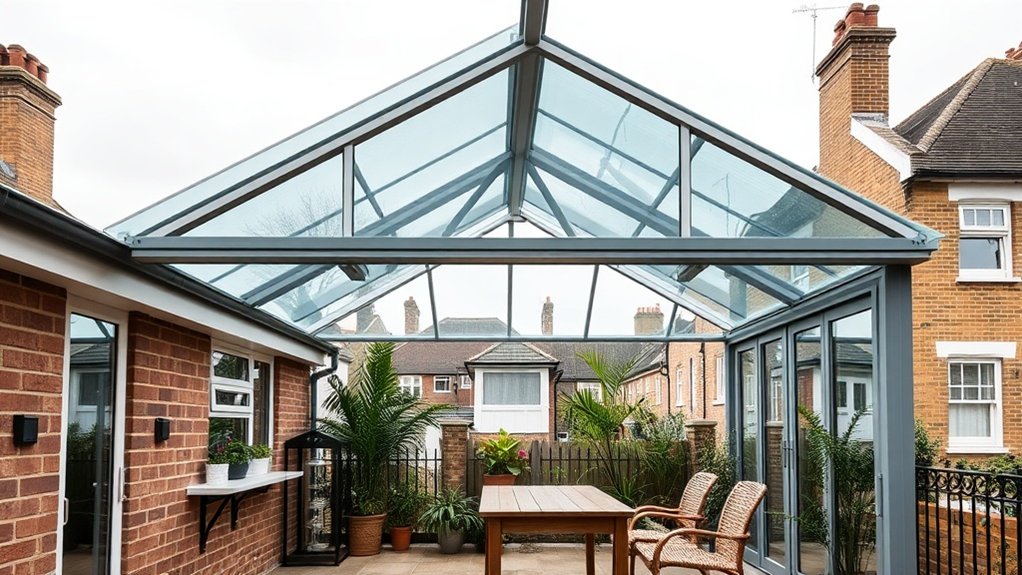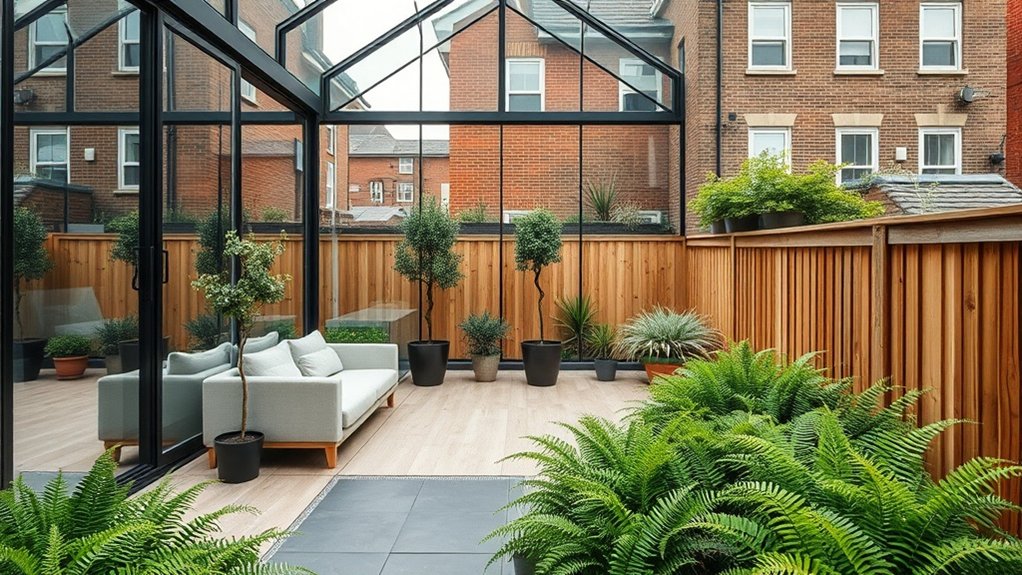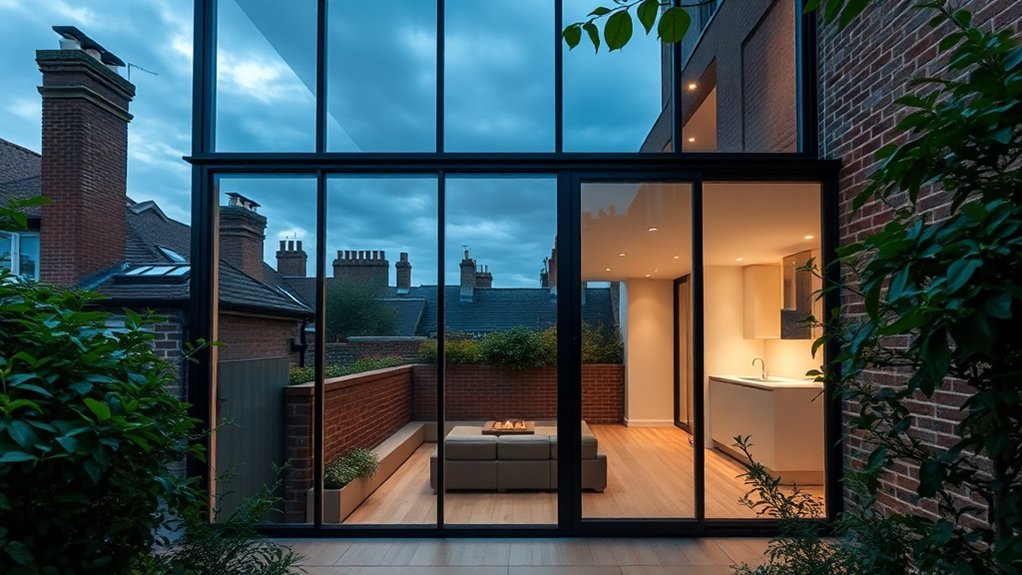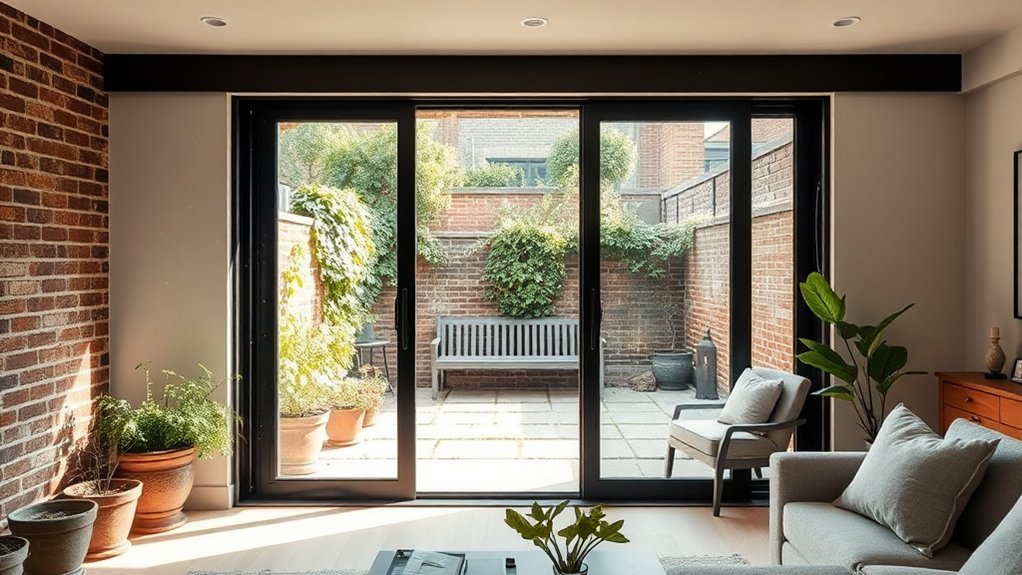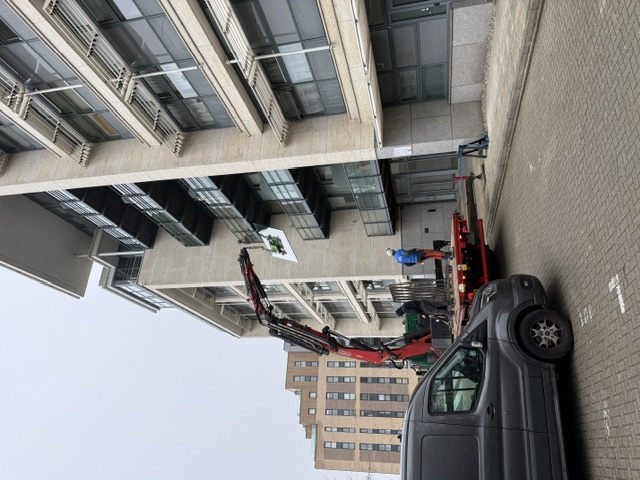
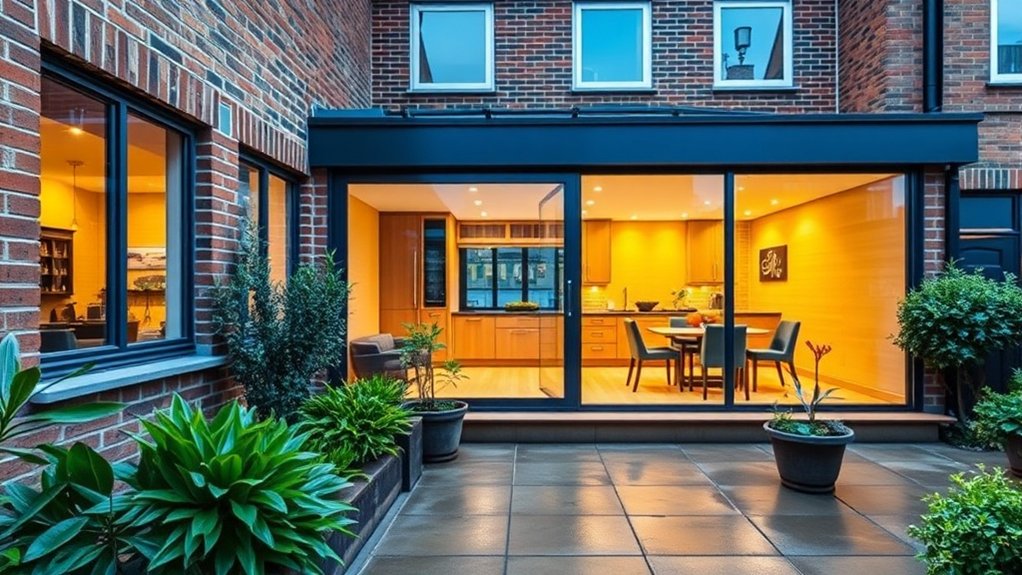
In London, you should treat conservatories and extensions as precise pieces of architecture, not bolt‑ons. A conservatory maximises daylight with slim framing and high‑performance glazing, while a full extension gives superior insulation, acoustic separation and year‑round comfort. Success depends on orientation, structural strategy, planning constraints, and careful material choices like thermally broken aluminium or engineered timber. Get these right and you’ll release more light, space and long‑term value than most owners realise is possible.
Key insights
- Understand whether you need a conservatory (lighter, quicker, glazing-led) or a full extension (better insulation, permanent extra room) for your London home.
- Check London-specific planning, conservation area, and Party Wall requirements; many projects exceed permitted development and need formal approvals.
- Prioritise high-performance glazing, thermally broken aluminium or engineered timber frames, and robust insulation to ensure year-round comfort and low energy use.
- Design for light and privacy using orientation-specific glass, shading, and ventilation strategies suited to dense London terraces and overlooked gardens.
- Compare lifecycle costs, including maintenance of seals, coatings, and smart controls, to choose durable materials that perform well in London’s climate.
Conservatory Vs Extension: What Fits Your London Home?
Whether you’re maximising a tight London terrace or reconfiguring a larger plot, choosing between a conservatory and a full extension depends on how you need the space to perform. You’re weighing transparency against mass, lightness against enclosure.
A conservatory prioritises daylight, visual permeability, and rapid installation . You exploit slim framing, high-performance glazing, and controlled solar gain to optimise energy efficiency while keeping the intervention lightweight. Structural stability still matters: you’ll assess existing foundations, wind loading, and frame deflection to prevent movement and thermal-bridge failures.
A full extension behaves as permanent architecture. You integrate insulation within solid walls, floor slabs, and roof build-ups, achieving superior thermal performance and acoustic separation. Here, structural stability expands to steel or engineered timber frames, load redistribution, and rigorous junction detailing.
Best Options by London Property Type
You’ll need to match your extension strategy to your property’s form, fabric, and planning constraints —whether you’re in a Victorian terrace, a detached home, or a flat. For terraces, you’ll assess side-return and rear extension potential; for detached homes, you’ll evaluate plot depth, garden orientation, and how a conservatory interfaces with existing elevations. In flats, you’ll focus on vertical expansion, roof structure, and access to create efficient roof extensions without compromising building integrity.
Victorian Terraces And Extensions
Although Victorian terraces across London share a common rhythm of narrow frontages and long, linear plots, their extension potential varies precisely with orientation, access, and existing alterations. You’ll typically explore rear infill, side-return , or mansard additions, each demanding calibrated responses to party walls, overlooking, and daylight.
Prioritise historical accuracy at the street-facing elevation: preserve brick bonds, string courses, and window proportions, allowing innovation to push outward into the garden. A glass-and-steel rear extension can contrast deliberately with Victorian craftsmanship, provided junctions, cills, and parapets are rigorously detailed.
Internally, remove cellularity strategically: insert steel frames to open kitchen-dining spaces while retaining chimney breasts or cornices as spatial anchors. Use rooflights, slot glazing, and level thresholds to elongate sightlines and amplify modest footprints.
Detached Homes With Conservatories
When you’re working with a detached home in London, a conservatory can operate less as a bolt‑on sunroom and more as a calibrated passageway between interior and garden. You’re free from party‑wall constraints, so you can choreograph aspect, massing, and transparency with far greater precision.
Prioritise garden integration : align thresholds, floor levels, and sightlines so the conservatory reads as a continuation of both living space and landscape design. Use slim structural glazing, controlled overhangs, and external fins to manage solar gain while preserving long axial views.
Consider a dual‑aspect or corner conservatory that mediates between outdoor rooms—terrace, lawn, and side garden—creating a continuous circulation loop . Integrate services, drainage, and lighting early to keep the envelope clean and rigorously detailed.
Flats And Roof Extensions
In dense London flat conversions and mansion blocks, roof extensions often offer the only meaningful way to gain space, but they demand forensic attention to structure, access, and townscape impact. You’re working above existing dwellings, so you must coordinate load paths, acoustic separation, and fire strategy from the outset.
Prioritise high‑performance roof insulation integrated with slender steel or engineered‑timber framing, so you gain volume without excessive build‑up. Rooflights, dormers, or glazed gables can deliver daylight levels comparable to a conservatory, but you’ll need conservatory ventilation principles—cross‑flow, purge vents, and solar control—to prevent overheating.
You must also resolve vertical access elegantly: a re‑planned stair core, roof pod, or shared lobby that meets Building Regulations while preserving the communal façade.
Design Ideas for Modern London Conservatories
Because space is at a premium in London, modern conservatory design prioritises clean geometry, slim sightlines, and seamless integration with both garden and interior zones. You treat the envelope as a finely tuned interface: high‑performance glazing , thermally broken frames, and minimal thresholds extend your living plane outdoors without visual interruption.
Specify a structural grid that aligns with existing openings, so views read as intentional compositions. Use layered interior lighting—recessed tracks, concealed LED profiles, and floor washers—to balance daylight and maintain depth after dark. Prioritise material durability : powder‑coated aluminium, engineered timber, and porcelain or polished concrete floors resist UV, moisture, and intensive use. Introduce built‑in planters, benching, and slim storage to keep the volume legible and the architecture doing the work.
Smart Extension Designs for Terraces, Semis and Townhouses
How do you extract maximum utility from a narrow terrace, compact semi, or tightly stitched townhouse without overwhelming its fabric? You treat the extension as a finely tuned system—light, structure, and circulation all working together.
-
Exploit vertical volume Use partial double‑height voids, rooflights, and slimline steel to bring daylight deep into plan while keeping the footprint efficient.
-
Layer Smart technology into the envelope Integrate automated blinds, zoned underfloor heating, and app‑based lighting to adapt micro‑spaces for work, dining, or relaxation in seconds.
-
Specify eco friendly materials with thin build‑ups High‑performance insulation, aerated screeds, and timber or recycled aluminium frames deliver thermal efficiency without bulky walls, preserving every millimetre of usable floor area.
Do You Need Planning Permission in London?
Although many London homeowners assume a rear conservatory or modest extension falls under “permitted development”, planning control in the capital is more nuanced and highly context‑dependent. You must read your site as planners do: plot depth, massing, overlooking, and heritage impact. Conservation areas, listed buildings, and dense terraces often remove permitted rights entirely.
You’ll likely need formal planning permission when you exceed standard depth or height thresholds, wrap around a corner, face the highway, or alter the roof profile. Local zoning restrictions and Article 4 Directions can constrain glazing ratios, materials, and rooflines, so early feasibility testing is essential. Always confirm with your borough before committing to structure or envelope, and secure written Building permits or a lawful development certificate .
Building Regulations and Party Wall Rules in London
Once you’re satisfied that your conservatory or extension can secure planning consent, you must still satisfy Building Regulations and, in most London terraces and semis, the Party Wall etc. Act. Building Control will scrutinise structure, insulation, fire safety, drainage, ventilation, and access, so coordinate your designer and engineer early to lock in compliant spans, floor levels, and thresholds that flow into garden landscaping and interior decor.
- Foundations & structure – Verify loads, bearing strata, and adjacent building influence zones; deeper foundations are common near London trees and older party walls.
- Thermal & fire performance – Detail junctions to avoid cold bridges and protect escape routes along shared boundaries.
- Party Wall procedures – Serve notices, obtain awards, and record condition before excavation or cutting into shared walls.
Best Materials and Glazing for London Conservatories and Extensions
When you select materials for a London conservatory or extension, you’re fixing its structural performance, maintenance profile, and visual weight in the space. You’ll weigh frame options such as engineered timber, aluminium, and advanced uPVC against high-spec glazing that controls heat loss, solar gain, and acoustic performance. At the same time, you’ll need to balance maximum daylight with privacy by tuning glass types, coatings, and panel layouts to your plot’s orientation and neighbouring views.
Choosing Durable Frame Materials
How you specify the frame and glazing will largely determine how your London conservatory or extension performs over time—structurally, thermally, and visually. You’re balancing frame customization with material longevity, all within tight urban footprints and often complex party-wall conditions.
-
Aluminium Choose thermally-broken aluminium for slim sightlines, high stiffness, and precise tolerances. It’s ideal for large spans, rooftop interfaces, and contemporary geometries.
-
Engineered timber Opt for laminated or modified timbers when you want warmth, depth, and strong environmental credentials. Protect exposed faces with high-performance coatings and well-detailed drip edges.
-
Hybrid systems Combine aluminium outer shells with timber interiors to unify durability, tactile quality, and fine detailing. These systems let you coordinate mullion depths, junctions, and thresholds so frames align cleanly with existing masonry, cladding lines, and internal floor levels.
Energy-Efficient Glazing Options
Frame choices set the structural and visual rules for your conservatory or extension; glazing determines how it feels to occupy the space day to day. You’re effectively designing a transparent climate envelope, so specify glass with low-emissivity (low-E) coatings, warm-edge spacers, and argon or krypton-filled cavities.
Prioritise high-performance double or triple glazing with U-values below 1.2 W/m²K to stabilise internal temperatures and cut heating loads. Combine solar-control coatings on south and west elevations to manage solar gain while preserving clarity.
As part of your energy saving techniques, pair these units with thermally broken frames and airtight installation details. Choose eco friendly materials by favouring glass with high recycled content and durable seals that extend service life, reducing whole-life carbon.
Balancing Light And Privacy
Striking the right balance between daylight and privacy means treating each elevation of your London conservatory or extension as a distinct visual and solar exposure. You’re not just choosing glass; you’re curating views, brightness, and Shadow casting to choreograph how the space feels from dawn to dusk.
-
Glazing specification Use low‑iron glass on garden-facing elevations and higher-reflectance, solar-control units where you’re exposed to neighbouring windows.
-
Layered transparency Combine clear, frosted, and fritted glass to grade privacy. Integrate external Privacy screens to filter sightlines without sacrificing daylight.
-
Adaptive systems Specify switchable smart glass , internal blinds within double- or triple-glazed units, and operable screens. These let you tune glare, heat gain, and privacy in real-time, aligning the envelope with your daily patterns.
Heating, Cooling and Year-Round Comfort in Glass Rooms
Ever wondered why some glass rooms feel inviting in January yet overheat in July? You solve it by designing the thermal envelope as carefully as the glazing. Specify low‑emissivity glass, thermally broken frames, and airtight junctions to stabilise internal temperatures. Position underfloor heating or slimline trench radiators along the perimeter to counter cold downdrafts without cluttering sightlines.
For cooling, integrate roof vents, high‑level opening lights, and cross‑ventilation paths aligned with prevailing winds. Consider discreet MVHR or reversible air‑source heat pumps for responsive climate control. External solar shading and dynamic blinds prevent summer gain before it enters.
Use indoor plants not just decoratively but as micro‑buffers, softening glare and slightly moderating humidity, while maintaining a visually calm, high-tech interior.
Costs and Budgeting for London Conservatories and Extensions
When you plan a conservatory or extension in London, you need to align typical local build costs with the exact footprint, volume, and specification of the space. You’ll structure a realistic budget by separating shell construction , glazing systems, insulation, and finishes, then mapping them against design priorities. You’ll also factor in hidden and ongoing expenses—planning and building control fees, structural engineering, drainage alterations, heating and cooling loads, and long-term maintenance of glass and frames.
Typical London Build Costs
Although every project is unique, typical build costs for London conservatories and extensions follow clear ranges that you can use to structure a realistic budget. You’re balancing structural performance, spatial flow, and how old fabric meets new technology, especially around historical architecture and constrained urban landscaping.
-
Conservatories – Expect roughly £2,000–£3,000/m² for high‑performance glazed structures , rising to £3,500/m² when you integrate minimal‑frame systems, structural glass roofs, or large sliding panels.
-
Single‑storey rear extensions – Typically £2,500–£3,500/m², depending on steelwork complexity, glazing ratios, and internal finishes.
-
Two‑storey extensions – Usually £2,200–£3,200/m², with costs shaped by vertical circulation, load paths, and integration with existing services.
In prime postcodes or tight sites, add 10–25% for access, logistics, and premium trades.
Planning A Realistic Budget
Before you sketch layouts or refine glazing details, you need a budget framework that aligns scope, specification, and risk for your London conservatory or extension. Treat Budget planning as a design exercise: define usable area targets, performance standards, and material tiers, then attach realistic cost bands to each.
Break your brief into components—structure, envelope, glazing, daylight control, thermal upgrades, and interior finishes. Allocate provisional sums per element, then stress‑test them with Cost comparison across alternative systems: aluminium vs timber framing, triple vs high‑performance double glazing, flat rooflights vs lanterns.
Model best‑case and constrained schemes so you can value‑engineer intelligently, protecting spatial quality and orientation‑driven light while trimming non‑critical specification. This approach keeps innovation financially coherent, not aspirational.
Hidden And Ongoing Expenses
Beyond the core build cost, a London conservatory or extension carries a series of hidden and ongoing expenses that can distort your budget if you don’t map them early. You’re not just buying volume; you’re committing to long‑term performance, comfort, and compliance within a dense urban fabric.
-
Technical integration – Structural engineering tweaks , party wall awards, drainage diversions, and utility upgrades often emerge as hidden costs once contractors open up existing fabric.
-
Thermal and comfort performance – High‑spec glazing , shading, and mechanical ventilation reduce ongoing expenses in heating and cooling, but they add upfront investment you must quantify.
-
Lifecycle and maintenance – Roof seals, ironmongery, specialist coatings, and smart controls demand periodic servicing; model these future cash flows alongside initial capital outlay.
Maximising Light, Space and Value in London Homes
When you design a conservatory or extension for a London home, you’re not just adding floor area—you’re reconfiguring how light, volume, and circulation work across the entire plan. You start by mapping sun paths, adjacent rooms, and sightlines, then position glazing to optimise natural lighting without excessive solar gain. Rooflights, clerestory bands, and minimal-frame sliders extend daylight deep into the footprint.
You treat indoor greenery as a spatial device, not décor: a slim planted zone can screen neighbours, define thresholds, and improve acoustic softness. To maximise value, you create flexible, legible zones—dining, lounge, workspace—that can reconfigure without structural change. Efficient storage, continuous floor finishes, and level thresholds make compact London plots feel generous, coherent, and commercially resilient.
Choosing Architects, Designers and Builders in London
Selecting the right architect, designer and builder in London determines how well your conservatory or extension translates from sketch to lived space. You’re not just hiring trades; you’re curating a team that understands tight plots, complex party walls, and ambitious glazing.
-
Architect collaboration Insist on architects who iterate in 3D, test daylight angles , and model circulation. They should coordinate planning constraints with your spatial aspirations.
-
Material selection Choose teams who can justify every component: frame systems, thermal breaks , roof glazing specs, drainage detailing, and finishes aligned with performance and aesthetics.
-
Builder capability Prioritise contractors experienced in London infill projects, precision steelwork, and complex junctions between old and new fabric, with verifiable, design-led case studies.
Common London Conservatory and Extension Mistakes to Avoid
A skilled London team only gets you so far if you repeat the same design and build errors seen across conservatories and extensions in the city. You risk overheating south-facing rooms, underheating north-facing ones, and misaligning levels with existing floors.
Don’t under-specify glazing performance , ventilation, or shading; they’re critical for comfort and extension sustainability. Avoid bolt‑on forms that ignore sightlines, circulation routes, and structural rhythm.
You also compromise value when you neglect access for future conservatory maintenance: concealed gutters, inaccessible roof junctions, and poorly detailed thresholds accelerate deterioration.
Finally, don’t ignore London’s planning constraints and rights of light; a non-compliant envelope can force redesigns that strip out innovative features and reduce spatial efficiency.
Frequently Asked Questions
How Long Does It Typically Take to Build a Conservatory or Extension in London?
You typically allow 8–14 weeks from groundworks to completion. You’ll compress construction timelines by resolving structural calculations, drainage routes, and glazing specifications before site work. With tight project management, you phase excavation, shell, envelope, and interior fit-out in sequence, minimizing downtime. You also factor lead times for bespoke frames and smart glazing. Always integrate services, insulation, and daylight modeling early to keep the build lean, future‑ready, and spatially efficient.
Can I Live in My Home During the Conservatory or Extension Construction Process?
Yes, you usually can, but construction disruptions will ripple through daily life like concentric waves. You’ll need clear living arrangements : define access routes, seal off the work zone with dust barriers, and plan phased works so wet trades, structural alterations, and glazing installation stay compartmentalized. Specify temporary kitchen or workspace locations, ventilation paths, and material storage. With rigorous sequencing and communication, you’ll inhabit the space while the new volume takes shape.
How Do London Conservatories and Extensions Impact Home Insurance Policies and Premiums?
They typically increase rebuild value, so insurers may recalculate premiums and demand policy adjustments . You must declare new glazing areas, structural openings, and roof interfaces, or risk rejected insurance claims. Underwriters assess fire load, access routes, and boundary clearances, plus any high‑spec systems like green roofs or smart façades. If design enhances security, weather resistance, and escape routes, you can sometimes offset higher premiums through demonstrable risk‑mitigation features.
What Warranties or Guarantees Should I Expect on Workmanship and Materials in London?
You should expect clear, written material warranties (often 10–20 years for frames, glazing, roofing membranes) and workmanship guarantees of at least 5–10 years. Insist on itemized coverage per system : structural elements, thermal envelope, weatherproofing, and fixings. Verify that guarantees are insurance‑backed, transferable, and aligned with building control approvals. Specify tolerances (deflection, air‑tightness, thermal bridging) so performance‑driven design is protected, not just cosmetic rectifications.
Are There Eco-Friendly or Low-Carbon Options for Conservatories and Extensions in London?
You’ve got plenty of eco-friendly, low-carbon options. Specify Eco friendly materials like FSC timber, recycled aluminum, and low-VOC finishes. Use triple-glazed units , warm-edge spacers, and high-performance roof insulation. Prioritize Low carbon designs by optimizing solar orientation, shading, thermal mass, and airtightness with MVHR. Integrate green roofs, rainwater harvesting, and PV panels. Coordinate structure, services, and glazing early in BIM to minimize embodied carbon and maximize spatial efficiency.
Summary
When you weigh conservatory vs extension, you’re effectively “downloading” a new spatial layer onto your London home. Map sightlines, circulation paths and solar gain, then choose forms and materials that connect interior zones to garden or terrace. Factor planning, structure and services early, so details—thresholds, glazing ratios, roof junctions—work as a coherent system. With the right team, you’ll release light, usable square metres and long‑term value in a tightly constrained city footprint.