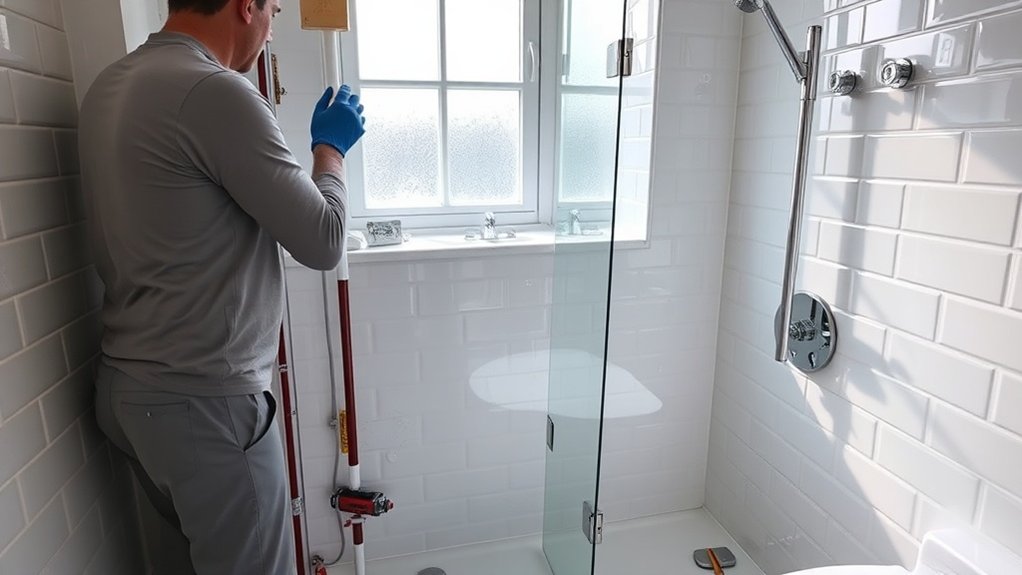
When you plan shower screen replacement in London, you’ll weigh safety glass standards, tight layouts, hard water, and existing tiling. Expect £250–£650 depending on framed, semi-frameless or frameless designs, glass thickness (6–10mm), and installation complexity. Prioritise toughened safety glass , good seals, corrosion-resistant hardware, and easy-clean coatings to handle limescale. A vetted local fitter will manage alignment, load paths, and watertight sealing so your new screen lasts—and you’re about to see how to get that right.
Key insights
- Typical shower screen replacement in London costs £250–£650, depending on glass type, hardware quality, and installation complexity.
- Look for signs of failure such as cracks, leaks, sagging doors, corroded frames, or cloudy glass that won’t clean.
- London period and ex-council homes often need made-to-measure safety glass to suit uneven walls, small bathrooms, and preservation constraints.
- Professional installers provide precise measuring, leak-proof sealing, and safe fixing into London’s common brick, block, or stud walls.
- Choose toughened or laminated glass, consider frosted or tinted options for privacy, and specify nano-coatings to combat hard water limescale.
Signs Your London Shower Screen Needs Replacing
When you understand the early warning signs, you can replace a failing shower screen in London before it causes damage or safety risks. You should watch for hairline cracks or chips in the glass, especially near hinges and edges, as they indicate structural fatigue. If the door sags, scrapes Bathroom tiles, or no longer closes flush, the hardware’s likely worn or misaligned.
Persistent leaks along the frame or puddles tracking across grout lines show failed seals, not just poor Shower maintenance. Corroded aluminium , pitted chrome, or discoloured silicone suggest moisture ingress behind profiles. Cloudy glass that won’t clear with deep cleaning can signal etched safety glass. Address these indicators early to maintain watertight integrity, protect substrates, and streamline a clean, upgraded installation.
Shower Screen Replacement Costs in London
When you plan a shower screen replacement in London, you need to understand the typical price range and how it aligns with your budget. You’ll see costs shift based on screen type, glass thickness, hardware quality, access, and the complexity of the installation. By comparing quotes, optimising specifications, and scheduling efficiently, you can control labour costs and reduce the overall installation spend without compromising on performance.
Average Replacement Price Range
Expect most shower screen replacements in London to fall between £250 and £650, including standard materials and professional installation. Within this range, you can still prioritise water conservation and eco friendly materials by specifying low-impact glass coatings and sustainably sourced hardware without pushing costs into a premium bracket.
You’ll typically see:
- £250–£350 for straightforward like‑for‑like framed replacements with standard safety glass.
- £350–£500 for semi‑frameless systems, improved seals, and higher-spec glass that enhances durability and ease of cleaning.
- £500–£650 for frameless designs with precision hardware, cleaner sightlines, and long-life components .
This range gives you enough flexibility to align aesthetics, performance, and sustainability while keeping the project financially predictable and executable on a tight schedule.
Factors Influencing Overall Cost
That £250–£650 range only tells part of the story; the final figure depends on how your specific bathroom, chosen screen, and installation conditions interact. Your cost model starts with glass type and thickness: higher Material durability (8–10mm toughened, low‑iron, or laminated glass) increases both unit price and handling complexity.
Hardware is next. Minimalist hinges, anti-corrosion coatings, and precision runners raise upfront cost but extend lifecycle, reducing replacement frequency.
Design aesthetics also drive spend. Frameless and bespoke geometry , digital-printed glass, and colour‑matched profiles demand more fabrication time and tighter tolerances than standard framed panels.
On-site conditions in London—awkward access, out‑of‑true walls, or integrating with smart controls—add labour hours, specialist tools, and occasionally structural reinforcement, all feeding into your final invoice.
Saving Money On Installation
Looking to keep your shower screen replacement bill under control without compromising safety or durability? Start by optimising the installation, not just the product. Get a precise site survey so your installer can order correctly sized panels and minimise on-site cutting time. You’ll save labour, reduce waste, and avoid costly reworks.
- Choose frameless or semi-frameless systems aligned with current design trends that also use hardware with proven material durability.
- Standardise components (hinges, channels, seals) across bathrooms to negotiate better pricing and simplify future maintenance.
- Prepare the space in advance : guarantee walls are true, plumbing is finished, and tiles are cured so installers can work efficiently in a single visit.
Framed vs Semi-Frameless vs Frameless Shower Screens
When you replace a shower screen in London, you’ll typically choose between framed, semi-frameless, and frameless designs, each with distinct structural and aesthetic implications. Fully framed systems use perimeter aluminium profiles to stabilise the glass and minimise movement, offering robust Glass durability and reliable water containment, though with more visible hardware.
Semi-frameless screens reduce visual bulk by framing only the perimeter or hinges, giving you design versatility while maintaining solid mechanical support and straightforward sealing.
Frameless screens rely on precision-engineered toughened glass, discreet brackets, and minimal channels. They create an open, contemporary aesthetic that visually enlarges compact London bathrooms and simplifies long-term maintenance . When deciding, weigh structure, cleaning access, and alignment tolerances against your desired visual impact and hardware visibility.
Shower Screen Glass Thickness, Safety and Privacy Options
Although shower screens look visually light, the glass specification you choose in London has direct implications for impact safety, rigidity, cleaning , and day‑to‑day privacy. You’ll typically choose between 6mm, 8mm, and 10mm toughened safety glass. Thicker panels increase rigidity and glass durability, but also weight, which affects hardware choice and installation tolerances.
To optimise performance , focus on:
- Safety: Toughened or laminated safety glass that meets BS EN standards, with polished edges and certified hardware.
- Cleanability: Low‑iron glass with nano coatings that repel limescale and soap, reducing maintenance cycles.
- Privacy enhancements: Frosted, patterned, tinted, or switchable smart glass that balances light transmission with visual screening, ideal for shared bathrooms or en‑suite layouts.
Match thickness, safety spec, and privacy level to your household’s usage and design priorities.
Best Shower Screens for Small London Bathrooms
Because every square metre counts in a London flat, the best shower screens for small bathrooms minimise swing, visual bulk, and cleaning hassle while still meeting safety standards. Prioritise sliding or bi-fold doors to eliminate door swing and free up circulation space.
Choose 6–8mm toughened glass with minimal framing; a frameless or semi-frameless system visually enlarges the room and simplifies maintenance. Check Material durability on all components: corrosion‑resistant aluminium profiles, stainless-steel fixings, and high-grade seals to withstand London’s hard water.
Use smart Color options to manipulate scale: clear glass maximises light; subtle tints or crisp black profiles create definition without overpowering the room. Finally, insist on easy-clean coatings to cut limescale build-up and keep tight spaces looking sharp.
Shower Screen Solutions for Awkward Alcoves and Lofts
In many London homes, the trickiest bathrooms are tucked into loft conversions and narrow alcoves, where sloping ceilings, nib walls, and uneven footprints make standard shower screens unworkable. You need Alcove solutions and Loft configurations that respect tight tolerances, maximise light, and keep water inside the wet zone.
You’ll typically combine low‑profile trays, custom-cut toughened glass , and specialist hinges or sliders that clear obstructions and cope with odd angles. Digital templating ensures millimetre accuracy against skewed walls and roof pitches.
- Bespoke fixed panels aligned to sloping ceilings for clean, frameless Loft configurations.
- Pivot, bi-fold, or sliding systems engineered around nib walls and shallow alcove depths.
- Sealed channels , minimal framing, and smart coatings to control spray and simplify maintenance.
Shower Screens in Period and Ex-Council London Homes
When you work with period terraces or ex‑council flats across London, the shower screen has to reconcile character features and robust construction with modern waterproofing and access standards. You’re often dealing with uneven walls, shallow trays, and tight turning circles off narrow hallways.
Prioritise templated, made‑to‑measure glass to align with out‑of‑square walls while keeping fixing points away from fragile plaster or old tiles. Use minimalist frames or carefully detailed crittall‑style systems to retain vintage charm without compromising safety glass requirements. Where Historic preservation constraints apply, you can fix into grout lines or use chemical anchors to protect original fabric. In ex‑council blocks, focus on high‑impact hinges, anti‑lift rollers, and secure wall channels to handle heavier use and potential building movement.
Coping With Limescale and Hard Water on London Shower Screens
Across much of London, hard water accelerates limescale build‑up on shower screens, dulling glass, attacking seals, and stressing hinges and rollers. To extend the life of a new screen, you need a combined strategy: surface protection, smart cleaning, and system-level water softening .
- Use nano‑coating glass treatments to reduce mineral adhesion and make each rinse more effective.
- Implement disciplined limescale prevention: daily squeegeeing, pH‑balanced descalers, and microfiber cloths instead of abrasive pads.
- Integrate point‑of‑use water softening cartridges or whole‑home systems to cut calcium and magnesium at source.
Specify components rated for hard‑water environments: corrosion‑resistant hinges, high-grade seals, and easy‑clean channels. By controlling chemistry and contact time, you’ll keep your London shower screen clearer for longer and reduce replacement frequency.
DIY vs Professional Shower Screen Replacement in London
Although online tutorials can make shower screen replacement look straightforward, deciding between a DIY approach and a professional installer in London hinges on more than confidence with a drill. You’ll weigh precision, time, and long‑term performance.
If you go DIY, you control every detail: alignment, sealant type, fixings, and how your Color options interact with existing hardware. However, you’ll need accurate measuring, drilling into tile without fractures, and correct handling of tempered glass to preserve Material durability and safety compliance.
A professional brings laser‑level alignment, substrate assessment, and load calculations, reducing leak and cracking risks. They’ll also optimise fixings for London’s common solid brick or stud walls, ensuring the screen’s weight and Material durability are fully supported over years of daily use.
Choosing a Reliable Shower Screen Fitter in London
When you choose a shower screen fitter in London, you should first verify their credentials, insurance , and membership in recognised trade bodies. These checks help you confirm they follow industry standards and can handle safety-critical glass installations correctly. You’ll also want a fitter with strong local experience and realistic availability, so your project runs on schedule and any issues are resolved quickly.
Credentials And Trade Memberships
Before you hire anyone to fit a new shower screen in London, you should verify their formal credentials and trade memberships to reduce the risk of leaks, glass failure, and non-compliant work. Properly certified installers understand load paths, fixing requirements, and sealant specifications, all of which protect bathroom aesthetics and material durability.
Look for fitters who can evidence:
- Membership of bodies such as FENSA, Glass and Glazing Federation (GGF), or similar glazing associations
- Manufacturer-approved installer status for your chosen hardware and glass systems
- Valid public liability insurance and documented training in BS EN glass safety standards
Ask to see certificates, not just logos on a van. A credentialled fitter will welcome scrutiny and explain how their standards minimise maintenance, maximise lifespan, and support future upgrades.
Local Experience And Availability
Because London’s housing stock and water systems vary so widely, you should favour shower screen fitters with proven local experience and realistic availability for surveys and follow-up visits. Ask how often they work in your borough, what they know about your water pressure profile, and how they handle tight Victorian bathrooms or new-build pods.
Interrogate their approach to local craftsmanship : do they template on-site, laser-measure, and coordinate with tilers and plumbers? Confirm product availability for hinges, seals, and toughened glass that meet UK standards and can be sourced quickly if anything fails.
You’ll also want predictable lead times. Challenge them on response SLAs, weekend or evening slots, and how they manage emergency remedial work after installation.
Shower Screen Installation Day: What to Expect and Aftercare
Although your installer will handle the technical work, understanding what happens on shower screen installation day helps you prepare your bathroom and avoid delays or damage. Clear the area, protect flooring, and confirm power and water access. Your fitter will survey levels, fix the frame, seal junctions , and align glass to avoid common installation mistakes like misaligned hinges, uneven gaps, or stressed panels.
- Remove toiletries, textiles, and electric items from the work zone
- Verify tile/grout condition, stud locations, and waste positioning
- Photograph pre‑installation surfaces for your records
After installation, don’t use the shower for at least 24 hours while the sealant cures. Begin shower screen maintenance immediately: squeegee after each use, inspect seals monthly, and avoid abrasive cleaners to protect coatings and hardware.
Frequently Asked Questions
Can I Replace Just the Shower Screen Seal Instead of the Whole Screen?
Yes, you can replace just the shower screen seal. This targeted seal replacement extends screen life, reduces waste, and optimizes performance. Start by measuring the glass thickness, then select a compatible push-on or clip-in profile. Remove the old seal, clean the glass edge, and install the new strip with a precise, continuous fit. Regular shower screen maintenance like this prevents leaks, mould, and premature hardware degradation.
Do I Need My Landlord’s Permission to Replace a Rented Flat’s Shower Screen?
You usually do need your landlord’s permission, because the shower screen’s part of the building, not just décor—like modifying the chassis, not the paintwork. Check your lease for Tenant rights and Installation permissions; many agreements require written consent for fixtures. Propose an upgrade: share product specs, safety glass compliance, and reversibility. Ask for written approval and clarify who pays, who installs, and who owns the improvement at end of tenancy.
How Long Does a Typical Shower Screen Replacement Appointment in London Take?
You’ll typically need 60–90 minutes for a standard shower screen replacement, assuming no structural issues. The installer will first remove the old unit, check alignment and waterproofing, then start the installation process: fix the wall profiles, set the glass, seal, and test door operation. Time varies with material options (frameless, tinted, anti-limescale glass) and any custom hardware, but efficient teams can still complete most upgrades within that window.
Can Old Shower Screens Be Recycled or Disposed of Sustainably in London?
Yes, you can recycle old shower screens if you use smart, specialist systems. Start by seeking recycling options via local glass recyclers or construction-waste firms; they’ll separate tempered glass, aluminium frames, and seals. You shouldn’t put them in standard glass banks. For eco friendly disposal, you book a licensed waste carrier, request a waste transfer note, and confirm materials go to certified material recovery facilities, not general landfill.
Will Replacing My Shower Screen Increase My London Property’s Resale Appeal?
Yes, it typically will. Buyers read a contemporary screen as a low‑maintenance , design‑led upgrade that modernises your bathroom decor. Go for frameless or minimal hardware, easy‑clean coatings, and quality hinges. Specify toughened, possibly low‑iron glass for clarity. Combine it with a water efficiency story: pair the new screen with an efficient showerhead and controls, then highlight reduced misting, better light transmission, and a more spacious, premium feel.
Summary
When your shower screen’s more battered old London than sleek modern city, it’s time to redraw the map. You’ve weighed glass types, frames, costs, limescale, space constraints, and the risks of DIY. Now choose a qualified local fitter, confirm specs in writing, and prep the room so installation runs like clockwork. Do that, and you’ll step into a durable, low‑maintenance enclosure that quietly does its job—every single morning—without any drama.