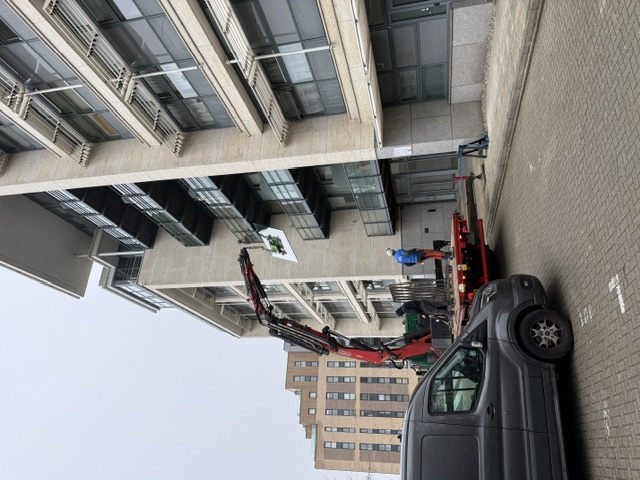

You can install electric skylights in London to safely boost daylight and controlled ventilation while complying with UK Building Regulations, local planning and strict energy‑efficiency and heritage rules. You’ll choose between fixed or opening units with smart sensors for rain, wind and CO₂, and high‑performance glazing to limit heat loss and summer overheating. A qualified, accredited installer will manage structural checks, weatherproofing and certification, and you’re about to see how that process works in practice.
Key insights
- Confirm planning permission, Building Regulations, and any conservation or heritage constraints before specifying electric skylights in London properties.
- Choose high‑performance, low‑E double or triple glazing with solar control to balance daylight, heat loss, and overheating risk.
- Integrate smart controls (rain, wind, CO₂, humidity sensors) and connectivity (e.g., KNX, BACnet) for automated ventilation and safety overrides.
- Coordinate structural design, roof preparation, waterproofing, and electrical work with certified installers experienced in London roofs and flat/heritage details.
- Size skylights at roughly 10–20% of floor area and position on south or south‑east roof slopes to maximise useful daylight and comfort.
Why Electric Skylights Work So Well in London Homes
Although London’s climate is often overcast, electric skylights maximise limited daylight while giving you precise control over ventilation and indoor comfort. You overcome low-angle sun, dense terraces, and narrow plots by capturing zenithal light, reducing reliance on artificial lighting while maintaining compliant U-values and airtightness .
In London’s Historical architecture, you can integrate units discreetly between rafters, protecting sightlines and heritage character, provided you follow conservation and planning guidance. Advanced skylight materials—low-iron glass, selective coatings, laminated inner panes, and thermally broken frames—limit heat loss, solar gain, and noise, essential near busy streets or flight paths.
Integrated rain sensors and secure actuators let you ventilate safely without risking water ingress, supporting healthy indoor air quality within Part F and Part L requirements.
Types of Electric Skylights and Smart Control Options
When you choose an electric skylight , you’ll need to decide between fixed, ventilating, and roof-window style units, each with specific performance and compliance implications under UK Building Regulations (notably Parts F and L). You can pair these units with smart controls, including wall switches, remote controls, app-based systems, and integrations with home automation platforms, all of which must be installed to manufacturer specifications and electrical safety standards (BS 7671). Sensors for rain, wind, daylight, and indoor air quality can then automate operation to protect the building fabric, maintain comfort, and support energy efficiency.
Electric Skylight Varieties
Because electric skylights now integrate advanced motors and sensors, you can choose from several distinct types and control systems to suit your London property and regulatory context. You’ll balance innovation with fire-safety egress routes, fall protection, and heritage constraints affecting historical architecture.
-
Top-hung electric roof windows – Ideal for pitched roofs; you gain strong ventilation while keeping rain sensors and anti-pinch safety edges compliant with UK standards.
-
Flat roof electric domes – Robust for urban roofs; laminated glass and upstands help meet Part L and Part K requirements.
-
Electric access skylights – Permit safe roof access for plant inspection and skylight maintenance, with controlled opening angles and guardrail compatibility.
-
Continuous electric rooflights – Long, modular runs that optimise daylight over extensions while accommodating smoke-vent zoning and wind-load criteria.
Smart Controls And Sensors
Smart controls and sensors now turn electric skylights in London from simple openers into automated safety and comfort systems that respond to weather, indoor air quality, and fire strategy. You can specify remote sensors for rain, wind, temperature, CO₂, and smoke, then link them to BS 9999-compliant opening sequences for smoke and heat exhaust.
You’ll typically integrate skylight actuators with a central controller that prioritises life-safety commands over comfort ventilation. Advanced user interfaces let you configure opening limits, timed purge cycles, and night-cooling modes, while logging events for maintenance records.
You can connect systems to BMS platforms via Modbus, BACnet, or KNX, ensuring coordinated control with HVAC and shading. Always verify fail-safe positions, manual override points, and certified fire override wiring routes.
Planning Rules and Permissions for Electric Skylights in London
Although electric skylights often seem like a minor upgrade, in London they sit within a tightly controlled planning and building regulations framework that you can’t ignore. You must align your concept with Historical regulations that protect streetscapes, especially in conservation areas and around listed buildings.
To move from idea to compliant installation, you’ll typically:
- Confirm whether permitted development rights apply or if full planning permission’s required.
- Secure Building permits and Building Control approval to validate structure, insulation, and weatherproofing.
- Demonstrate that electrical components, wiring routes, and controls meet UK wiring standards and fire‑safety provisions.
- Coordinate with your installer to produce technical drawings, load calculations, and product certifications for submission.
Choosing Skylight Size, Shape and Glazing for Your Space
When you choose an electric skylight , you must match its size and shape to the room’s proportions so you don’t compromise structural integrity or breach London’s building regulations. You’ll assess how to optimise natural light while controlling glare, solar gain, and privacy, especially in bedrooms, lofts, and conservation-sensitive streetscapes. You’ll also compare glazing performance options—such as low‑E coatings, laminated safety glass, and acoustic or solar-control units—to meet fire safety, thermal efficiency, and Part L compliance.
Assessing Room Proportions
How do you match an electric skylight to your room so it delivers light, ventilation and compliance in equal measure? You start by reading the proportions of the space, not just its footprint. Room color, Ceiling height, and structural rhythm all dictate what’s safe, efficient, and future‑proof.
Picture the space in four dimensions:
- Measure width, length, and ceiling height to define a safe skylight‑to‑floor ratio that respects structural zones.
- Map joists, beams, and services so the opening doesn’t compromise load paths or fire‑stopping.
- Relate skylight geometry to room color and surface reflectance, ensuring balanced visual comfort.
- Check London and UK guidance on minimum headroom, escape routes, and actuator clearances to keep your electric opening mechanism compliant and reliably accessible.
Optimising Natural Light
So once you’ve read the room’s proportions, you can size and specify the electric skylight so it delivers strong daylight without glare, overheating, or non‑compliance. In London, you’ll typically aim for a skylight area of 10–20% of the floor area, adjusting down for south‑facing roofs and highly reflective interiors.
Choose shapes that control light distribution: long, narrow units wash corridors; compact squares suit cellular rooms; modular layouts work for open‑plan spaces and Historical architecture, where symmetry matters.
You should confirm glass durability against impact, wind load , and maintenance access, particularly on taller buildings. Select glazing thickness and lamination to satisfy UK Building Regulations for safety glazing and load resistance while still maximising visible light transmission.
Glazing Performance Options
Sizing and layout only get you part‑way; the glazing specification determines how your electric skylight actually performs in London’s climate. You’ll balance light, solar gain, acoustics, and heritage constraints, especially in areas of historical architecture.
Think in terms of performance layers:
- Thermal regulation – Low‑E, argon‑filled double or triple glazing to meet Part L U‑value targets and limit winter heat loss.
- Solar control – Selective coatings and tints to control g‑value, preventing summer overheating while preserving daylight.
- Safety and security – Laminated inner panes, toughened outer panes, and compliant fall‑protection to satisfy Part K and BS EN standards.
- Aesthetic innovation – Decorative glazing, fritted patterns, or diffusing interlayers that respect conservation requirements while integrating LEDs and smart‑glass technology.
Best Positions for Electric Skylights to Maximise Daylight in London
Although every London property is different, the most effective position for an electric skylight is where it captures consistent natural light while complying with structural and planning constraints. You’ll typically prioritise south‑ or south‑east‑facing roof slopes to maximise daylight without excessive afternoon overheating, coordinating with existing roof insulation to avoid cold bridges and condensation risks.
Place units over the central zone of the room, not too close to external walls or flues, and maintain safe clearances from structural timbers and services. For terraces and extensions, position skylights to pull light deep into the plan, aligning with main circulation routes. Consider practical window cleaning access from within the property, ensuring the opening mechanism, safety sensors, and rain detectors remain reachable for inspection and maintenance.
Electric Skylight Installation in London: Steps, Timelines and Disruption
When you plan an electric skylight installation in London, it helps to understand the sequence of works, typical timeframes, and the level of disruption inside your home. Installers must respect historical architecture, fire-safety routes, and Part L and Part P regulations, while optimising daylight and views of urban greenery.
- Survey & design (1–2 weeks): Your roofer and electrician survey structure, wiring routes, and control options, then confirm permissions and method statements.
- Roof preparation (1 day): They erect access, cut the opening, reinforce rafters, and weatherproof around the aperture.
- Unit & electrical fit-out (1 day): They install the skylight, connect power, test motors, sensors, and smart controls.
- Internal finishing (1–2 days): Plasterboard, insulation, vapour barriers, and paint minimise drafts, noise, and dust.
Upfront Costs, Running Expenses and Funding for Electric Skylights
A clear understanding of upfront costs, running expenses, and available funding lets you judge whether an electric skylight belongs in your London project plan. Begin with a cost analysis that separates supply, structural works, electrical connection, internal finishing, and professional fees (including Building Control where applicable). Factor in Part L and Part K compliance, especially for larger roof openings.
Running expenses stay modest but not negligible: anticipate small electrical consumption plus periodic servicing. Maintenance requirements include seal inspections, cleaning of glazing and frames, motor and actuator checks, and timely gasket replacement to prevent water ingress and heat loss.
For funding, explore green‑build grants, London‑specific retrofit schemes, and landlord or service‑charge mechanisms, ensuring your specification and installer documentation satisfy eligibility and warranty conditions.
Ventilation, Smart Controls and Energy Efficiency Features to Look For
Because modern rooflights can considerably affect indoor air quality and heat loss, you should specify electric skylights with controlled ventilation modes, integrated sensors, and thermally efficient glazing as standard rather than optional extras. In London’s climate, you’ll want features that align with Building Regulations for energy conservation and occupant safety while supporting low‑carbon goals.
- Demand-controlled ventilation using CO₂ and humidity sensors to purge stale air without excessive heat loss.
- Smart controls that link to your BMS or app, with rain, wind and temperature sensors plus failsafe override.
- High-performance glazing (low‑E coatings, warm-edge spacers, gas fill) to minimise U‑values and overheating risk.
- Integrated solar PV modules or low‑power drives to complement wider renewable energy systems and reduce operational emissions.
Choosing a Trusted Electric Skylight Installer in London
Only a competent, accredited installer can guarantee your electric skylight performs safely, complies with London’s planning rules and Building Regulations, and protects your home from leaks or electrical faults. You should verify membership of schemes such as NICEIC or NAPIT and request proof of Part P competence for electrical work.
Ask how they handle structural assessment , load calculations, and weatherproofing details, especially on flat roofs or complex junctions. For period homes or listed buildings, choose an installer experienced in historical architecture and conservation-area constraints, able to coordinate with planners and building control.
Review case studies that integrate daylighting with Interior decoration, smart controls, and energy performance. Insist on written warranties, test certificates, and a clear method statement covering access, fall protection, and fire-stopping.
Frequently Asked Questions
Can Electric Skylights Be Integrated With Existing Home Automation Systems in London Flats?
Yes, you can integrate electric skylights with existing home automation systems in London flats. You’d typically use smart control modules compatible with Zigbee, Z-Wave, or Wi‑Fi hubs. Make sure the installer confirms load ratings, RCD protection, and compliance with BS 7671. You’ll boost energy efficiency through automated ventilation, daylight harvesting, and scheduled operation. Always use a Part P–certified electrician and verify manufacturer approvals for third‑party control integration.
How Do Electric Skylights Perform in London’s Noisy, Traffic-Heavy Streets?
They perform well, acting like a sealed cockpit against city noise. You’ll get strong sound insulation if you specify double or triple glazing, laminated panes, and correctly compressed gaskets. Solar efficiency improves with low‑E coatings and thermally broken frames, while still meeting Part L energy requirements. Make sure installers follow manufacturer wind‑load and fixings guidance, plus Part K safety glazing rules, so automation and structural integrity remain reliable on traffic‑heavy streets.
What Maintenance Do Electric Skylights Need to Prevent Leaks in London’s Climate?
You prevent leaks by inspecting seals and flashings twice yearly, clearing gutters and drainage channels, and checking glazing for hairline cracks. You test electric operation so vents close fully during storms. Use manufacturer-approved sealants to preserve skylight aesthetics and energy efficiency, and document work for Building Regulations compliance. In London’s climate, you also monitor for condensation, maintain internal vapour barriers, and schedule professional re‑sealing every 5–7 years.
Are There Special Electric Skylight Options for Conservation Area or Listed London Buildings?
Yes, you can specify electric skylights designed for conservation areas and listed buildings. You’ll use low‑profile units that respect historical preservation and strict aesthetic considerations, often with concealed motors, bespoke flashings, and heritage-friendly frame colours. You must coordinate with planners, comply with Building Regulations, and confirm Listed Building Consent . Prioritise laminated glazing, controlled ventilation, and discreet wiring routes so you innovate without compromising fabric integrity or visual character.
How Do Electric Skylights Affect Home Insurance Policies in London?
They can alter your policy terms. You’ll need to declare electric skylights, as insurers may adjust coverage requirements for roof penetrations, wiring, and glazing standards. If you use certified installers and fire-safe, BS/EN‑compliant products, you might access Insurance discounts for reduced risk. You must prove proper maintenance, leak protection, and compliance with UK Building Regulations . Always get written confirmation that skylight specs and automation features are fully covered.
Summary
So now you know: in gloomy, overcast London, you can actually control the sky from a wall switch. If you follow Building Regulations, respect planning rules, and choose certified products and installers, your “risky roof hole” becomes a safe, energy‑efficient daylight system. Ironically, the most dramatic feature in your home is also one of the most regulated. Treat that as a benefit—not a burden—and you’ll enjoy the light without any nasty surprises.