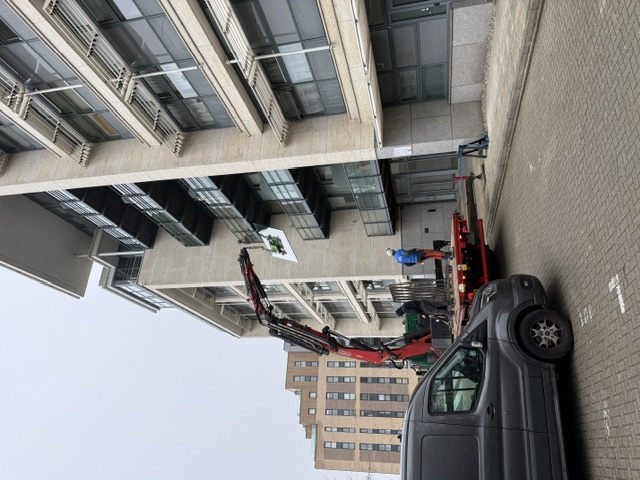

You get safer, longer‑lasting glass door repair in London when you treat every crack, draft, and misalignment as a performance and safety issue, not just broken glass. Specialists assess glass type, frame distortion, hardware, seals, and compliance with Part K and BS safety glazing standards before deciding on repair or full replacement. Emergency re‑glazing, temporary boarding, and hardware recalibration restore security fast while keeping you compliant, and the next sections show exactly what to expect.
Key insights
- Emergency glass door repair in London, including boarding-up, re-glazing, and hardware checks to quickly secure homes, shops, and offices.
- Full replacement of cracked, chipped, or shattered glass with toughened or laminated safety glass compliant with British and building safety standards.
- Expert diagnosis of alignment, draft, and sealing issues, restoring smooth operation, security, and energy efficiency.
- Specialist handling of shopfronts, bespoke glass doors, and historic or branded entrances with minimal disruption to trading.
- Ongoing maintenance services: hardware adjustment, seal replacement, and safety inspections to prevent future breakages and failures.
Do You Need Glass Door Repair or Replacement in London?
When a glass door in your London property chips, cracks, drags on its tracks, or no longer closes securely, you need to decide whether a targeted repair will restore its integrity or if full replacement is the safer option. You’ll weigh structural performance, security, and energy efficiency, not just appearance.
If the glass remains stable within the frame and hardware is sound, precision repair, re-alignment, or upgraded seals may be enough. You can also integrate decorative glass or glass tinting during repair to improve privacy, solar control, and thermal performance.
However, if the pane’s laminated or toughened layers are compromised, or the frame’s tolerances are distorted, you should prioritise full replacement to maintain compliance with modern safety and performance standards.
Common Glass Door Damage in London Homes and Businesses
When you assess glass doors in London properties, you’ll usually see three problem areas: cracks and impact damage , drafts from poor sealing, and misalignment that causes sticking. Each of these issues has distinct structural, energy-efficiency, and safety implications that you can’t ignore. By recognizing their early warning signs, you reduce the risk of sudden glass failure, security weaknesses, and costly emergency repairs.
Cracks And Impact Damage
Although modern glass doors are engineered for strength, cracks and impact damage remain the most frequent failures in London homes and commercial premises. You’ll often see edge chips, star cracks from sharp impacts, or stress fractures around fittings, even on frosted glass and panels with decorative patterns. Each defect weakens the pane, alters load paths, and increases shatter risk.
To manage impact damage effectively, you should:
- Identify origin – Map crack direction, impact point, and hardware contact to assess structural risk.
- Stabilise immediately – Isolate the door, apply safety film if appropriate, and prevent vibration or slamming.
- Specify advanced replacements – Consider laminated or toughened units, impact-rated interlayers, and surface treatments that maintain your decorative patterns or frosted glass effects while improving resilience.
Drafts And Poor Sealing
Poor sealing around glass doors doesn’t just cause annoying drafts; it undermines thermal performance , comfort, and even security in London properties. You’ll often feel cold air along the frame, hear whistling in high winds, or notice condensation bands that trace air leakage paths.
For effective drafts prevention, you need a systematic assessment of perimeter gaps, threshold interfaces, and frame-to-wall junctions. Technicians should use smoke pencils or infrared imaging to map leakage, then specify sealing techniques tailored to your door system: high-compression weatherstrips, low-modulus silicone, brush seals, or drop-down thresholds.
Upgraded gaskets with improved memory, thermally broken thresholds, and acoustic-rated seals don’t just cut heat loss; they also reduce street noise and particulate ingress, enhancing indoor air quality and operational safety.
Misalignment And Sticking
Misaligned or sticking glass doors don’t just feel “off”; they signal mechanical stress that can crack panes, overload hardware, and create safety hazards in busy London properties. You’ll often notice the sash scraping the floor track, uneven gaps at the jambs, or the latch failing to engage reliably. Left unresolved, these issues compromise glass safety and accelerate wear on rollers, hinges, and closers.
To diagnose and correct misalignment, you should:
- Inspect track straightness, frame squareness , and fixing points for movement or substrate failure.
- Test and recalibrate rollers, pivots, and soft-close mechanisms to restore smooth, low-resistance travel.
- Realign locks and handles for precise engagement, improving security and aesthetic enhancement while reducing operating force.
Common Glass Door Repairs London Specialists Handle
When a glass door in your London property fails, specialists typically deal with a predictable set of issues: cracked or shattered panels, stiff or dragging sliding doors , misaligned hinges, faulty closers, loose handles and locks, and failed seals or gaskets. They first stabilise the opening, then assess glass type—toughened, laminated, or decorative glass—to specify a like-for-like or performance-upgraded replacement.
Technicians recalibrate floor springs and overhead closers, reset tracks, and replace worn rollers to restore precise, low-friction movement. They re-pack hinges, tighten architectural hardware, and renew silicone or gasket systems to maintain weather and acoustic performance. You’ll often see professional glass cleaning integrated into the repair, ensuring sensors, edges, and coatings remain visible, inspectable, and fully functional for ongoing monitoring and maintenance.
Safety Risks of Ignoring Damaged Glass Doors in London
Beyond the practical repairs London specialists perform, the bigger concern is what happens if you leave a damaged glass door unchecked. You’re not just tolerating an eyesore; you’re accepting escalating risk that undermines glass safety standards and any serious damage prevention strategy.
- Structural failure – Micro-cracks propagate under wind load, temperature shifts, and everyday use, increasing the probability of sudden shattering and laceration injuries.
- Code non-compliance – Compromised safety glass, loose fixings, or misaligned rails can breach British Standards, exposing you to liability and enforcement actions.
- Operational hazards – A warped or chipped panel disrupts smooth door movement, causing pinch points, trip risks, and impact injuries, especially in high-footfall London properties.
Timely assessment and repair convert these vulnerabilities into controlled, predictable performance.
Emergency Glass Door Repair in London for Break-Ins and Accidents
Although no one plans for smashed glass at 2 a.m., emergency glass door repair in London is fundamentally about rapid risk control: securing the opening, stabilising any remaining glass, and restoring a safe envelope to your property. You need a team that can triage the scene fast, assess structural loads on the frame, and identify hidden fracture lines that compromise glass safety.
Technicians should deploy robust temporary boarding that resists prying, weather, and impact, while preserving thresholds, tracks, and hardware for precise re-glazing. They’ll also evaluate locking points, access-control interfaces, and sensor alignment to maintain security integrity. Forward-thinking specialists use this disruption as an opportunity to specify upgraded laminated glass and minimalist framing systems that deliver both higher resilience and aesthetic enhancement.
How Glass Door Repair Works in London (Step by Step)
When a specialist arrives, you’ll see a structured process that starts with a precise damage assessment, including glass type, frame integrity, and hardware condition. They’ll then select and explain the most suitable repair method—whether that’s re-glazing, replacing toughened panels, or recalibrating tracks and hinges—to restore performance and compliance with UK standards . Finally, they’ll carry out systematic safety checks on impact resistance, alignment, locking, and sealing so the door operates reliably and protects your property.
Initial Damage Assessment
Before any tools come out or glass is ordered, a proper initial damage assessment determines whether your glass door in London can be safely repaired or must be fully replaced. You’ll want a technician who treats your door as part of the building’s system, especially in properties with historical architecture or bespoke glass etching.
They’ll typically:
- Stabilise and secure – Isolate the area, check for loose shards, assess frame distortion , hinges, and locking hardware to avoid structural failure.
- Diagnose glass failure – Map cracks, impact points, edge chips, and previous stress lines; confirm glass type (toughened, laminated, acoustic, fire-rated).
- Evaluate compliance and risk – Check safety standards , escape routes, load paths, and privacy/branding requirements before proposing any repair-versus-replacement strategy.
Repair Methods Explained
Once the initial damage assessment is complete, the repair process for a glass door in London follows a structured sequence designed to restore safety, structural integrity, and smooth operation with minimal disruption. Technicians first stabilise the opening, isolate power to any access-control hardware, and protect surrounding finishes.
They then deglaze the damaged leaf , remove compromised seals, and inspect the frame for racking or anchor failure. If impact resistance is a priority, you’ll typically upgrade to toughened or laminated safety glass, precisely templated and CNC-cut for hinges, locks, and smart sensors.
Next, they install new gaskets, high-spec structural silicones, and calibrated hinges or pivots, aligning for even compression. You can also integrate enhanced glass aesthetics, including decorative panels, interlayers, or privacy finishes.
Final Safety Checks
Although the glass is now installed and the door appears functional, engineers in London still run through a defined sequence of final safety checks to certify it as fit for everyday use. At this stage, you’re not just confirming operation; you’re validating engineered reliability using a structured inspection checklist .
- Structural validation – You confirm glass specification, edge clearances, hardware torque, and frame anchoring, ensuring loading paths and tolerances match design data.
- Operational safety – You test closing speeds, soft-close or automatic operators, finger‑pinch zones, and emergency egress performance under repeated cycles.
- Environmental and user protection – You verify seals, thresholds, and impact-safety markings , then document all final safety readings (gaps, forces, alignment) so the door’s performance is traceable, auditable, and future‑proofed.
Glass Door Repair Costs in London (And What Affects Them)
When you’re budgeting for glass door repair in London, you need to account for several technical and safety-critical factors that drive the final cost. Pricing reflects more than appearance; the specification behind your glass door aesthetics matters. Laminated, toughened, or fire-rated glass costs more than standard float glass, and any decorative glass—etched, tinted, or patterned —adds complexity in sourcing and matching.
You’ll also pay more when structural components are damaged. Replacing pivot systems, floor springs, soft-close sliders, or access-control hardware increases labour time and calibration work. Glass thickness and pane size affect handling risks, lifting requirements, and compliance with British Standards. Emergency callouts, out-of-hours work, and temporary safety boarding further influence your final invoice, especially in high-footfall commercial environments.
Choosing a Glass Door Repair Company in London
So how do you pick a glass door repair company in London that won’t compromise safety or compliance just to offer a cheaper quote? You start by filtering for firms that understand both modern engineering standards and the city’s unique mix of glass door aesthetics and historical designs.
-
Verify credentials and compliance Check FENSA/GGF membership, insurance, and written warranties. Ask how they meet BS EN safety glazing standards and Part K building regs.
-
Assess technical capability Look for experience with laminated and toughened glass, precision hardware, smart locks, and energy-efficient glazing.
-
Review design sensitivity and response Ensure they can match existing frames, ironmongery, and period profiles while upgrading safety. Demand clear digital surveys, documented risk assessments , and transparent, itemized quotes.
Shopfront and Commercial Glass Door Repair in London
Even a minor fault in a shopfront or commercial glass door can quickly escalate into a safety risk, a security vulnerability, and lost trading hours. You need rapid diagnostics: checking toughened or laminated glass integrity, door closers, pivots, patch fittings, and access-control interfaces.
A specialist technician evaluates impact damage , frame torsion, and misalignment that can stress hinges and compromise your glass art or decorative panels. They’ll verify compliance with BS 6262 and workplace safety regulations, ensuring correct manifestation bands, anti-fingertrap profiles, and emergency egress performance.
Where possible, they’ll retrofit higher-spec glazing, upgraded hardware, and smart locking systems without disrupting your branding. Precision repair restores smooth operation, controlled closing speeds, and clear sightlines, protecting staff, customers, and merchandise while keeping your façade visually innovative.
Sliding, Patio and Balcony Glass Door Repair in London
When you’re dealing with sliding, patio, or balcony glass doors in London, you need to address common mechanical issues like misaligned tracks , worn rollers, and failed locking systems before they compromise safety. You’ll also want to understand your patio glass replacement options, from standard toughened glass to laminated and low‑E units that improve impact resistance, security, and thermal performance. For balcony doors, you should prioritise security upgrades such as multi-point locks, anti-lift devices, and laminated safety glass to protect against forced entry and accidental falls.
Common Sliding Door Issues
How do you know a sliding, patio or balcony glass door in London is developing a serious fault rather than just “sticking a bit”? You watch for patterns. Modern systems, especially those using decorative glass or frosted panels, rely on precise alignment , clean tracks, and correctly loaded rollers. When any element drifts out of spec, safety and performance drop fast.
Common issues you’ll notice include:
- Track and roller wear – Grinding, flat‑spotted rollers, or oxidised aluminium tracks that snag and increase opening force.
- Misalignment and frame distortion – Panels scraping the head or sill, gaps at seals, or locks no longer lining up, often after building movement .
- Hardware and lock failure – Corroded multipoint locks, loose handles, or latches that don’t fully engage, weakening security and impact resistance.
Patio Glass Replacement Options
Sometimes the most cost‑effective and safest fix for a problem door in London is to replace the glass unit rather than the whole frame. You can specify laminated safety glass for high‑impact zones, or toughened glass where you need strength with slim profiles that complement modern patio design.
For thermal performance, upgrade to low‑E, argon‑filled double glazing to reduce heat loss and condensation around outdoor furniture. Consider solar‑control coatings on south‑facing patios to cut glare while preserving natural light and sightlines.
You’ll also choose between standard clear, tinted, or frosted units to balance privacy and openness. Precision measurements, BS EN‑compliant safety glass, and correctly engineered edge clearances ensure smooth sliding action, reduced stress on rollers, and longer service life for your patio door.
Balcony Door Security Upgrades
Beyond energy efficiency and glass specification, a secure balcony or patio door in London depends on robust hardware and impact‑resistant design. You’re protecting an elevated threshold that’s often lightly guarded yet highly exposed, so you need engineered Balcony security measures rather than cosmetic upgrades.
Consider three core intervention zones:
- Locking systems – Upgrade to multi‑point deadlocking gear with anti‑lift pins, reinforced keeps, and internal key cylinders to resist prying and frame spread.
- Glass and profiles – Specify laminated safety glass with PVB interlayers and aluminium or steel‑reinforced uPVC profiles for true Door reinforcement against forced entry.
- Perimeter protection – Integrate contact sensors , smart locks, and discreet surface‑mounted rails or bars, ensuring fixings anchor into structural substrates, not just the door frame.
London Rules and Safety Standards for Glass Doors
Although glass doors can look simple, London’s regulatory framework for them is precise and strict, combining UK-wide standards with local enforcement. You must align your glass safety strategy with Building Regulations Part K, BS 6262, and BS EN 12150/14449, ensuring impact-resistant safety glass in all “critical locations” such as doors, side panels, and low-level glazing.
You need visible manifestation bands, correct guarding heights, and robust framing to prevent finger trapping and edge failure. For commercial sites, you must integrate accessibility and fire-escape requirements without compromising structural performance.
To maintain legal compliance, insist on documented glass specification, CE/UKCA markings, and installation certificates. When you plan innovative solutions—slim sightlines, large panes, or smart glass—you still have to demonstrate tested performance and full conformity with London’s inspection standards .
Simple Maintenance to Prevent Future Glass Door Damage in London
When you treat your glass doors as critical moving components rather than decorative surfaces, simple, routine maintenance dramatically reduces breakage, costly repairs, and safety risks in London’s busy conditions. You’re managing a precision system: glass, framing, hardware, and seals all interact under constant pedestrian load, pollution, and coastal humidity.
- Inspect hardware monthly. Check hinges, pivots, closers, and tracks for play, corrosion, or metal fatigue; tighten fixings and lubricate using manufacturer-approved products.
- Optimise glass cleaning. Use non-abrasive, pH-neutral agents, lint-free cloths, and avoid edge flooding to protect laminates and sealants while maintaining optical clarity.
- Apply smart weatherproofing tips. Monitor and replace perimeter gaskets, threshold seals, and brush strips; select UV-stable, flexible materials that accommodate building movement and London’s temperature swings.
How to Prepare for a Glass Door Repair Visit in London
Before a glass door repair team arrives at your London property, structured preparation reduces on-site risks, labour time, and disruption. First, clear a minimum 1.5–2m working corridor on both sides of the door, removing furniture, cables, and loose rugs. Isolate children, pets, and non-essential staff from the area.
Secure any decorative glass nearby; cover it with corrugated card or impact-resistant film to prevent secondary damage from vibration or accidental impact. Perform light glass cleaning on the door and frame so technicians can accurately assess scratches, chips, and frame distortion.
Verify access for large panels and tools: measure stairwells, lifts, and tight corners. Prepare parking or loading bay details and share entry codes, security protocols, and any building-specific safety requirements in advance.
Frequently Asked Questions
Can Damaged Glass Doors in Listed London Buildings Be Repaired Without Planning Permission?
You usually can’t repair damaged glass doors in listed London buildings without consent. You must check listing status, historical preservation constraints, and local building regulations first. If you only replace like‑for‑like safety glass within the existing frame, authorities may treat it as maintenance, but you still need written confirmation. Always use certified installers, documented risk assessments, and innovative glazing systems that respect original sightlines while upgrading performance.
Are There Eco-Friendly or Recycled Glass Options for Door Repairs in London?
Yes, you’ve got Eco friendly options—and they’re more advanced than you’d expect. You can specify Recycled glass materials with high safety ratings, toughened or laminated to BS EN standards, and compatible with thermally efficient framing. You’ll assess U-values, impact resistance, and edge-strength to guarantee performance matches conventional glass. Always confirm your installer uses certified suppliers, low-VOC sealants, and safe on-site handling to maintain both structural integrity and sustainability.
Can London Insurers Require Specific Contractors for Glass Door Repair Claims?
Yes, insurers can require specific contractors, especially for higher-value claims or complex installations. You’ll see this in policy clauses tied to Contractor licensing, insurance requirements, and approved vendor networks. Always verify if you must use their panel contractor or just meet technical standards. If you want innovative materials or smart-glass systems, negotiate in advance so the insurer’s risk criteria and the contractor’s safety certifications still align.
How Do Glass Door Repairs Affect My London Property’s Energy Efficiency and Heating Bills?
They improve energy efficiency by sealing air leaks and boosting insulation improvement, so your heating system doesn’t work overtime. When technicians replace failed seals, adjust hinges, and upgrade to low‑emissivity glazing, you gain measurable Energy conservation and reduced drafts. You’ll notice more stable indoor temperatures, lower heating bills, and less condensation risk. Always verify safety glazing, compliant hardware, and precise frame alignment to guarantee durability and maintain long‑term thermal performance.
Can I Schedule Glass Door Repairs in London Outside Normal Business Hours, Including Weekends?
You can usually schedule repairs outside standard hours , including weekends, especially via providers offering 24/7 Emergency services. You submit preferred time slots online, then receive confirmation based on technician availability and safety constraints. Reputable teams use mobile diagnostics, low-noise tools, and dust‑limited methods to minimize disruption. Make certain they’re insured, carry laminated safety glass, and follow BS and EN glazing standards so after‑hours work remains structurally sound and compliant.
Summary
When you finally call a London glass door specialist, it’ll coincide with one of the highest‑risk moments for failure—cold snaps, heatwaves, or busy trading hours. That’s exactly when minor chips propagate, seals fail, and hardware gives way. By acting now, you’re not just restoring clarity and security; you’re aligning with BS 6262 and Part K, controlling impact‑resistance, lamination, and lock integrity, and turning a likely future incident into a managed, documented, and safely resolved repair.